
Dining Room Art
The dining room is one of the few spaces where people sit still, face forward, and look at the walls. A print on the dining room wall isn't background — it's part of the dining experience.
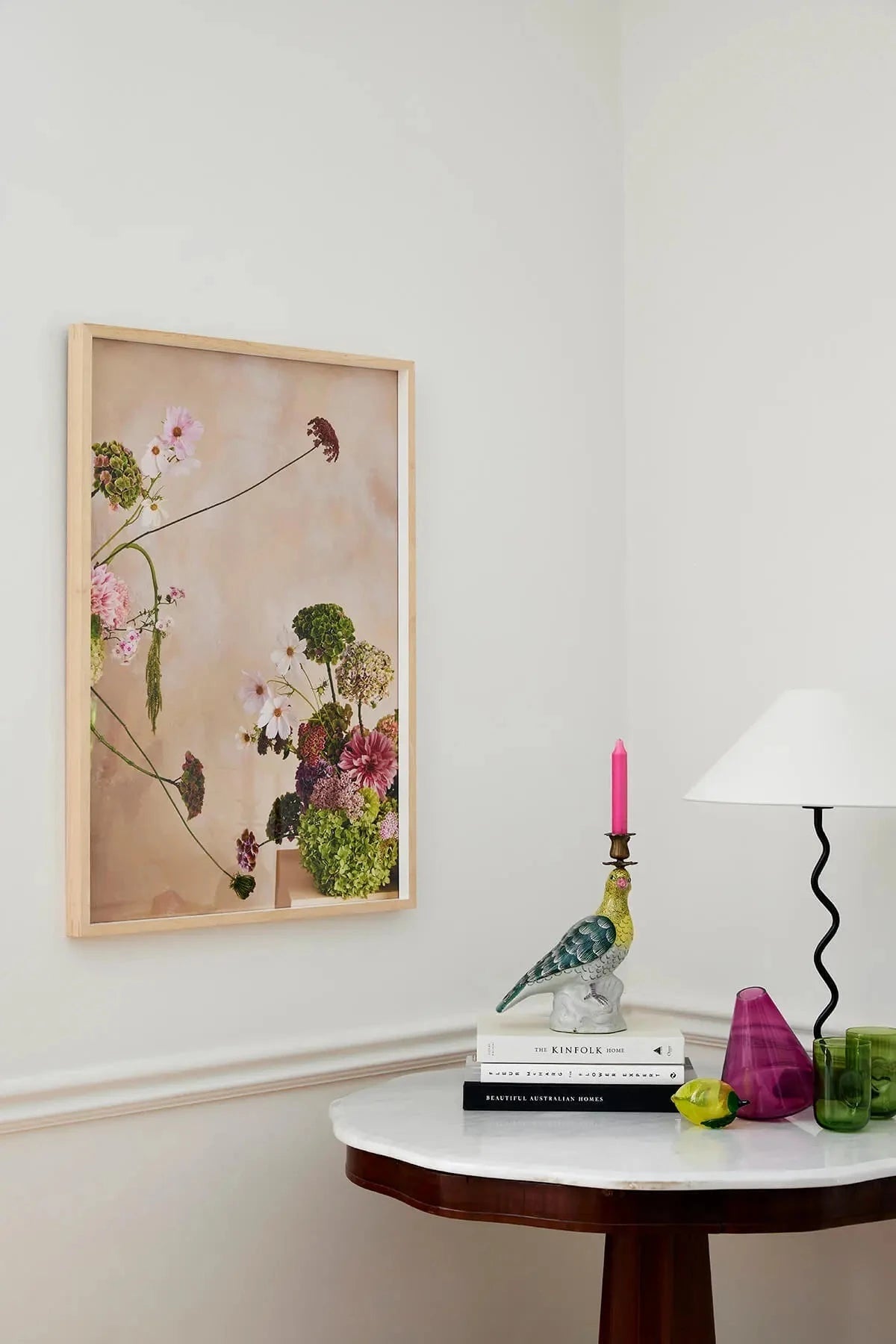
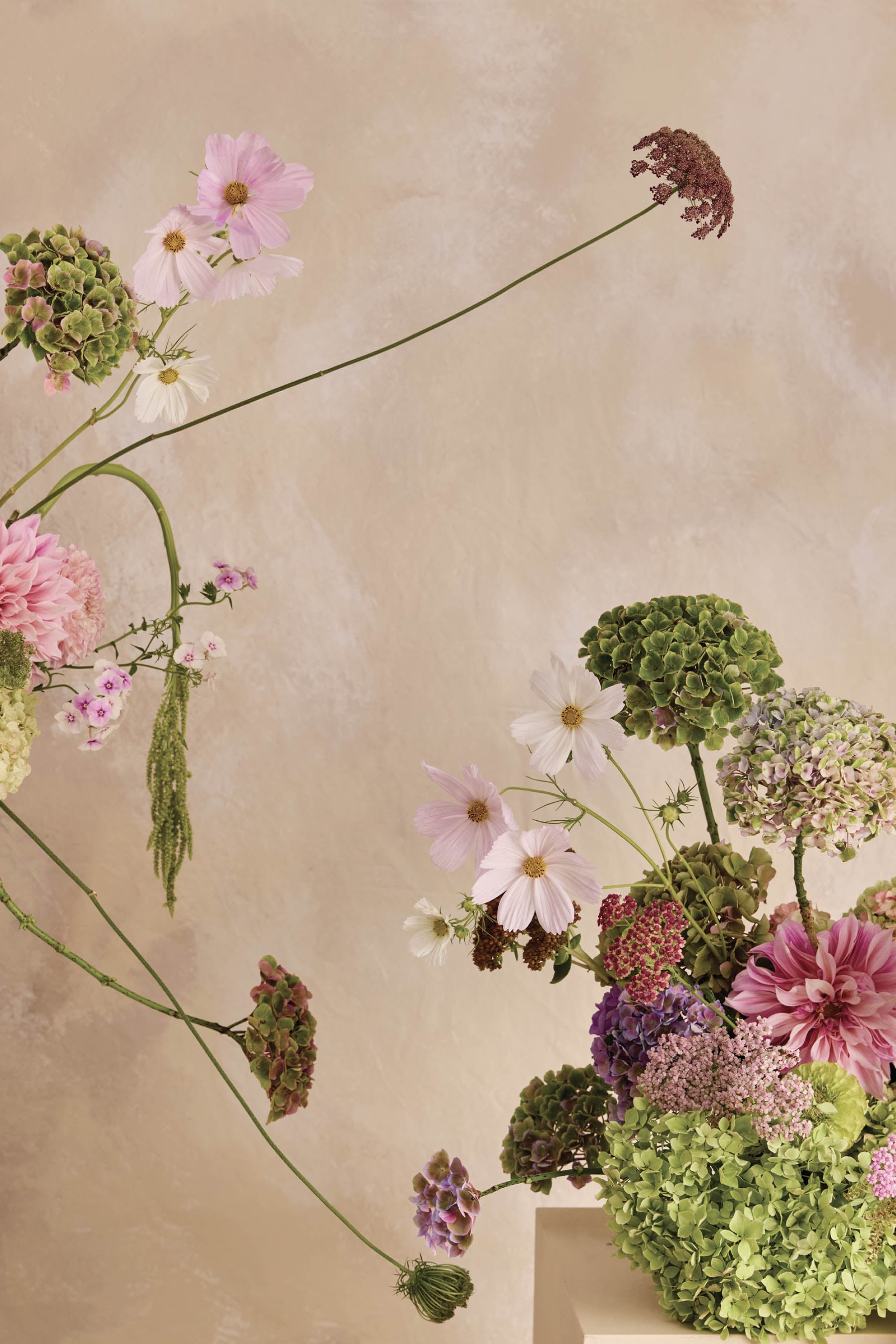
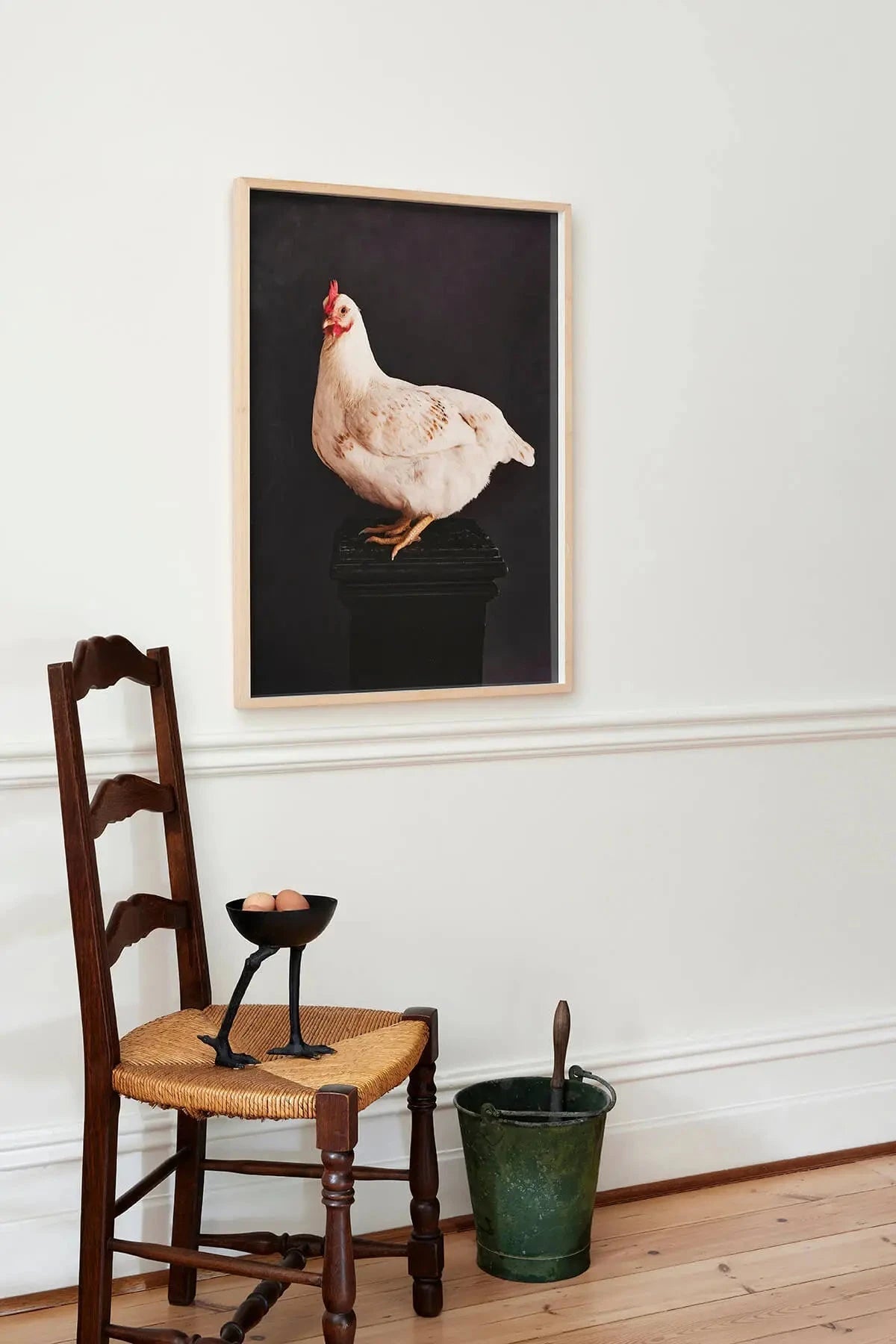
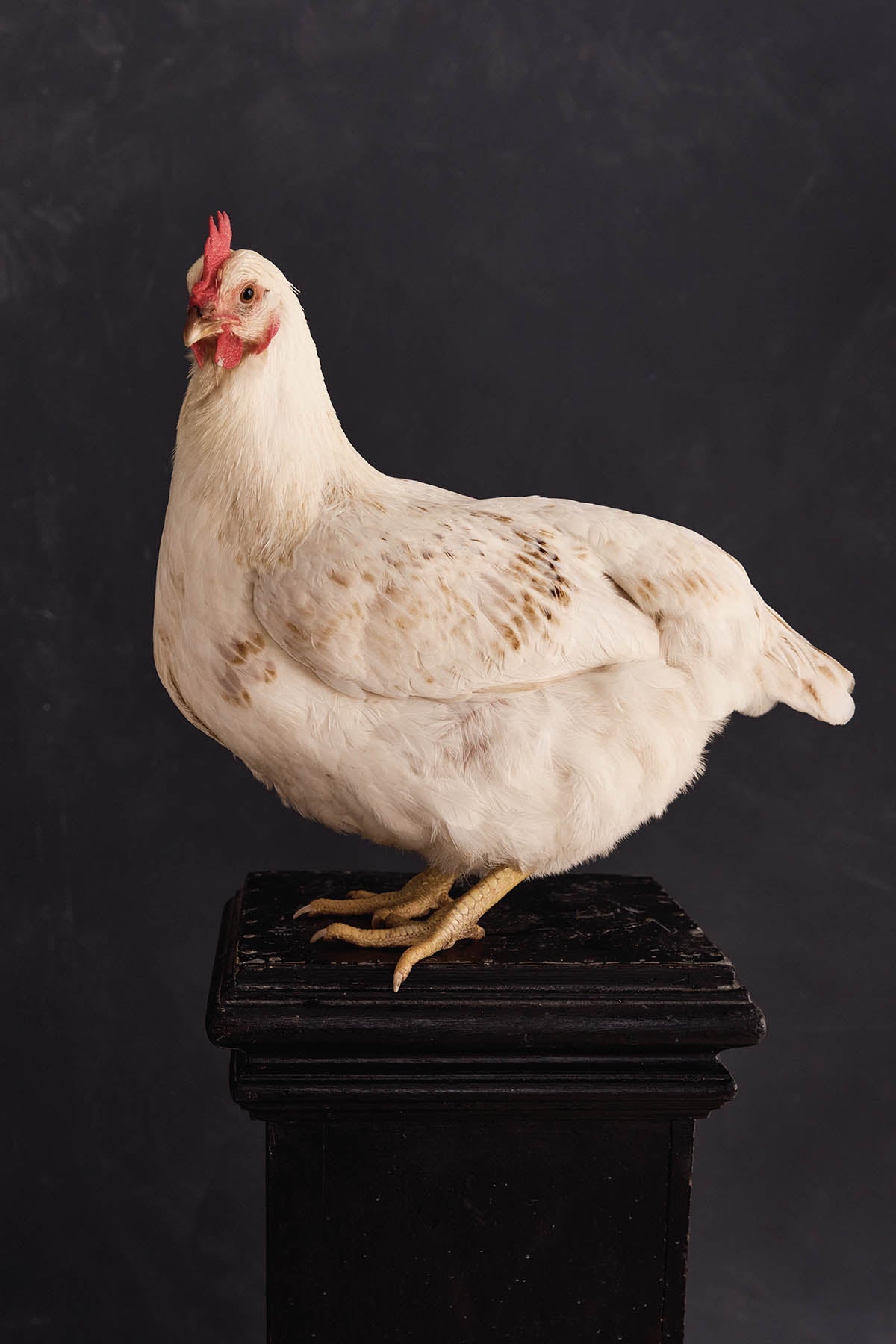
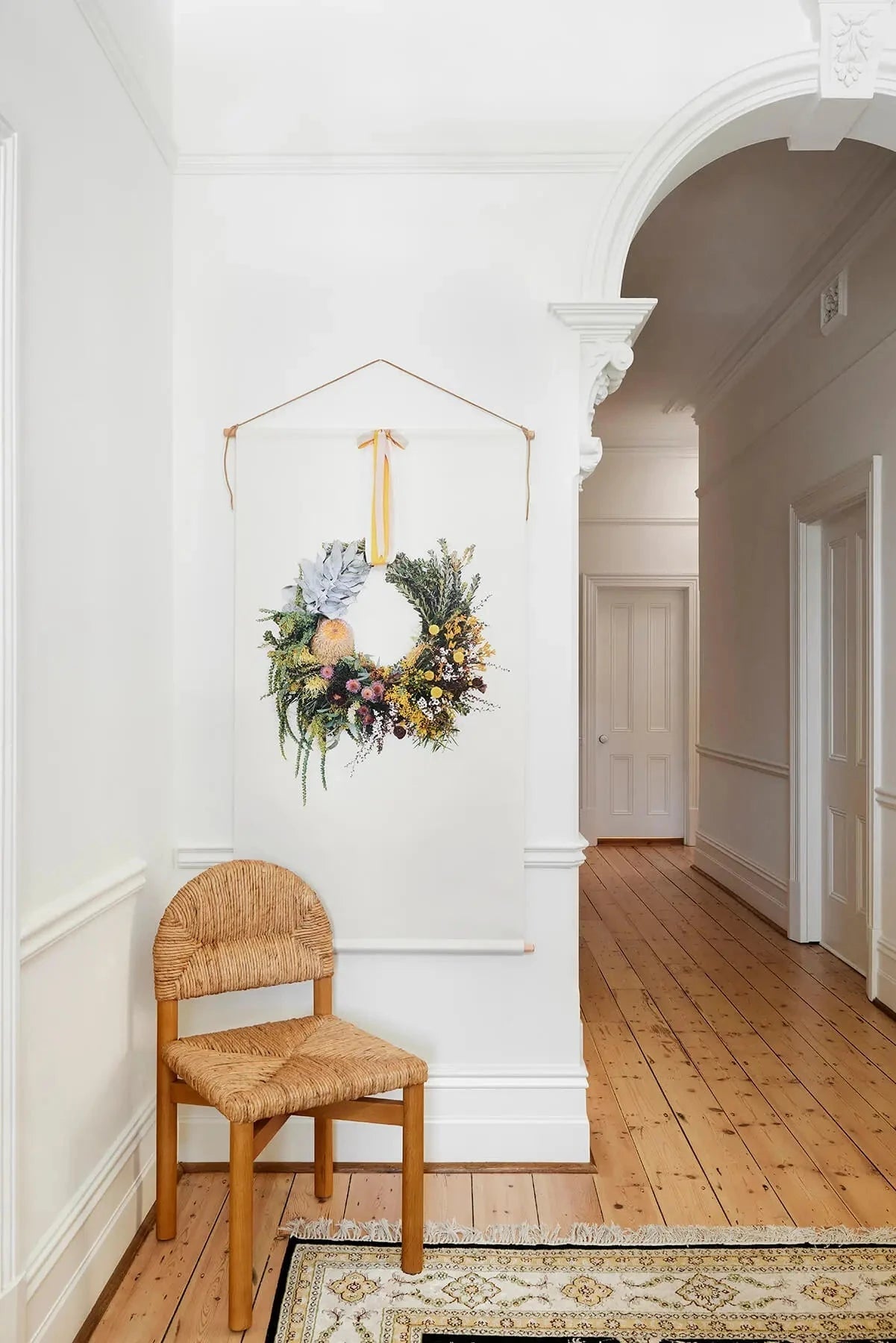
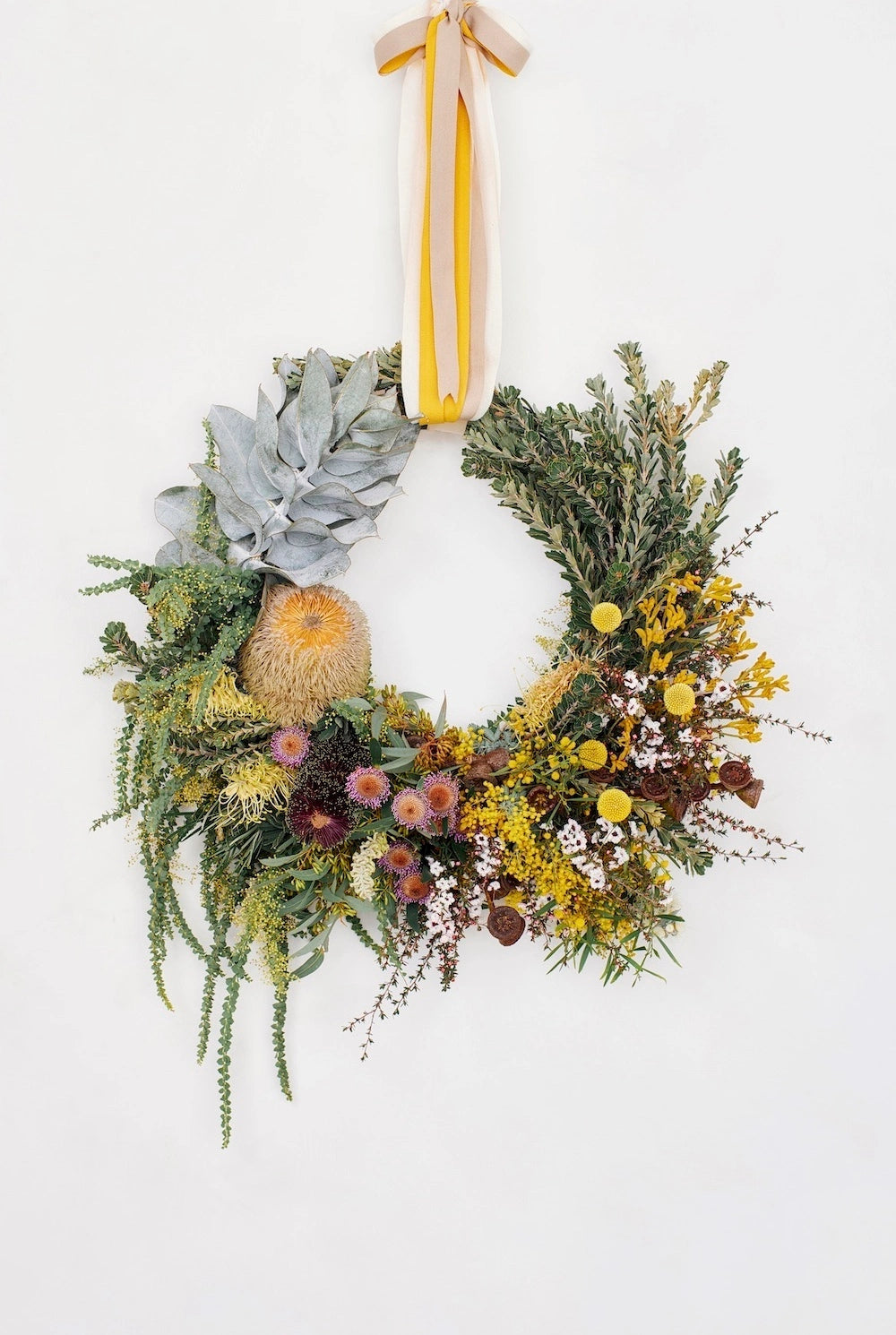
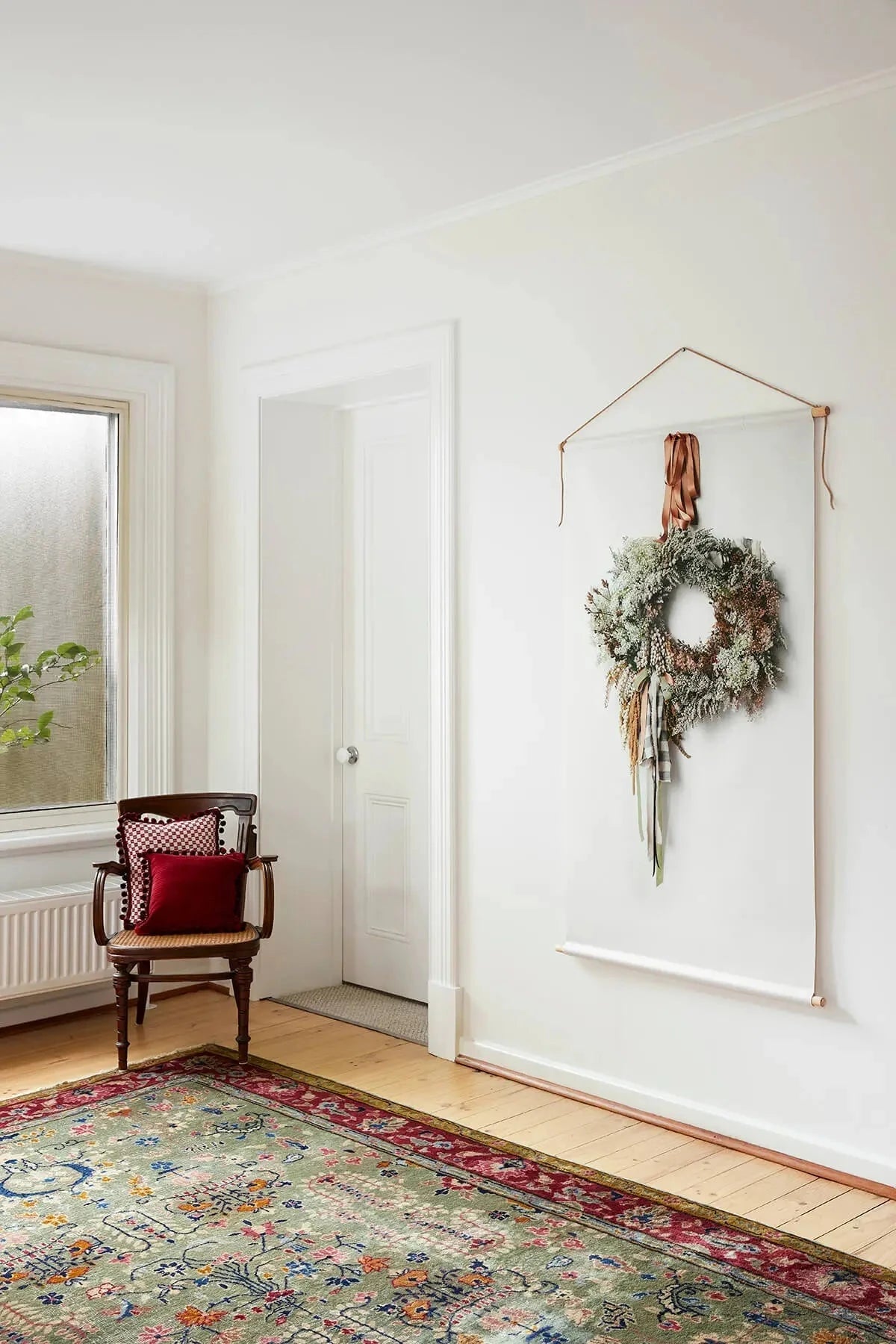
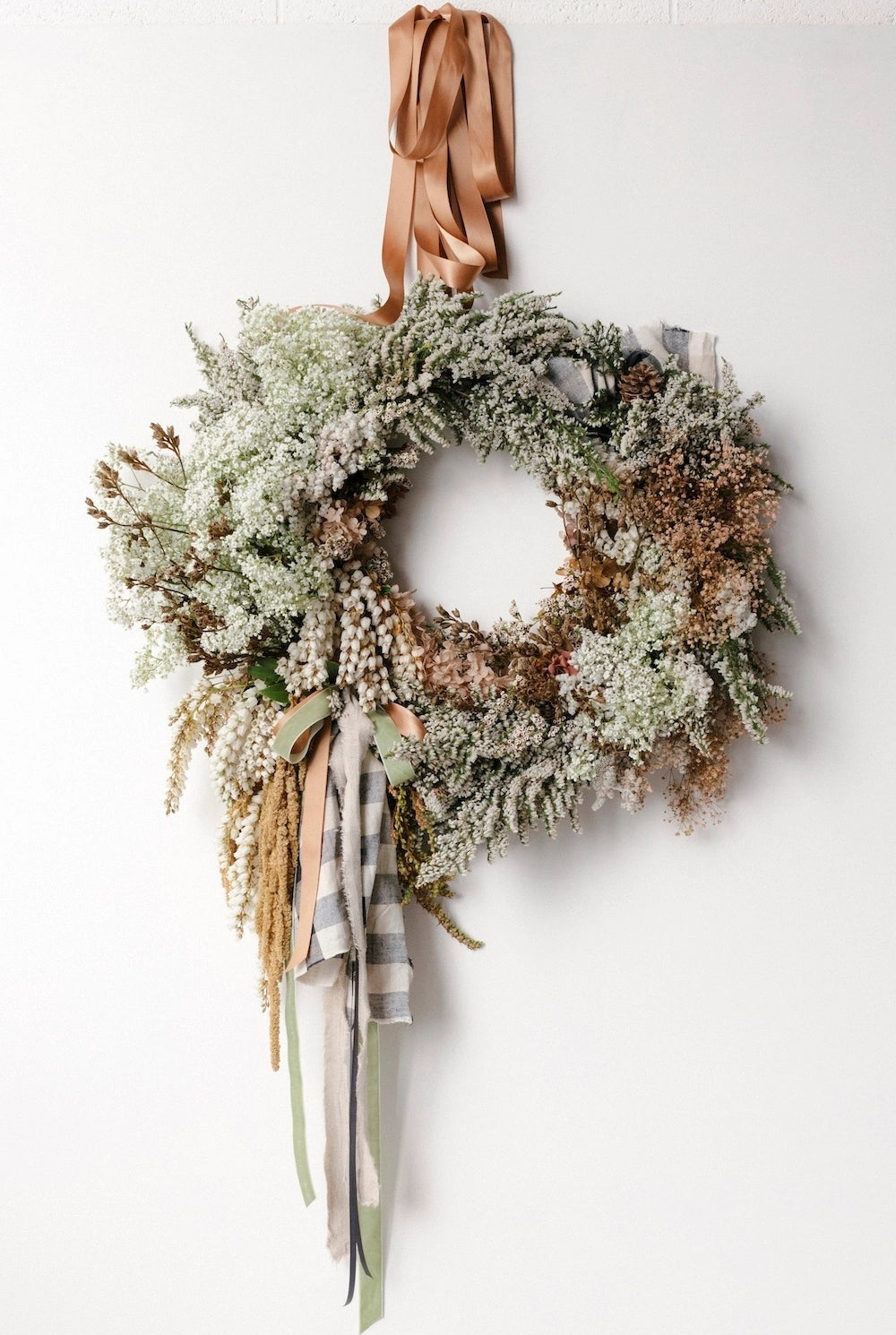
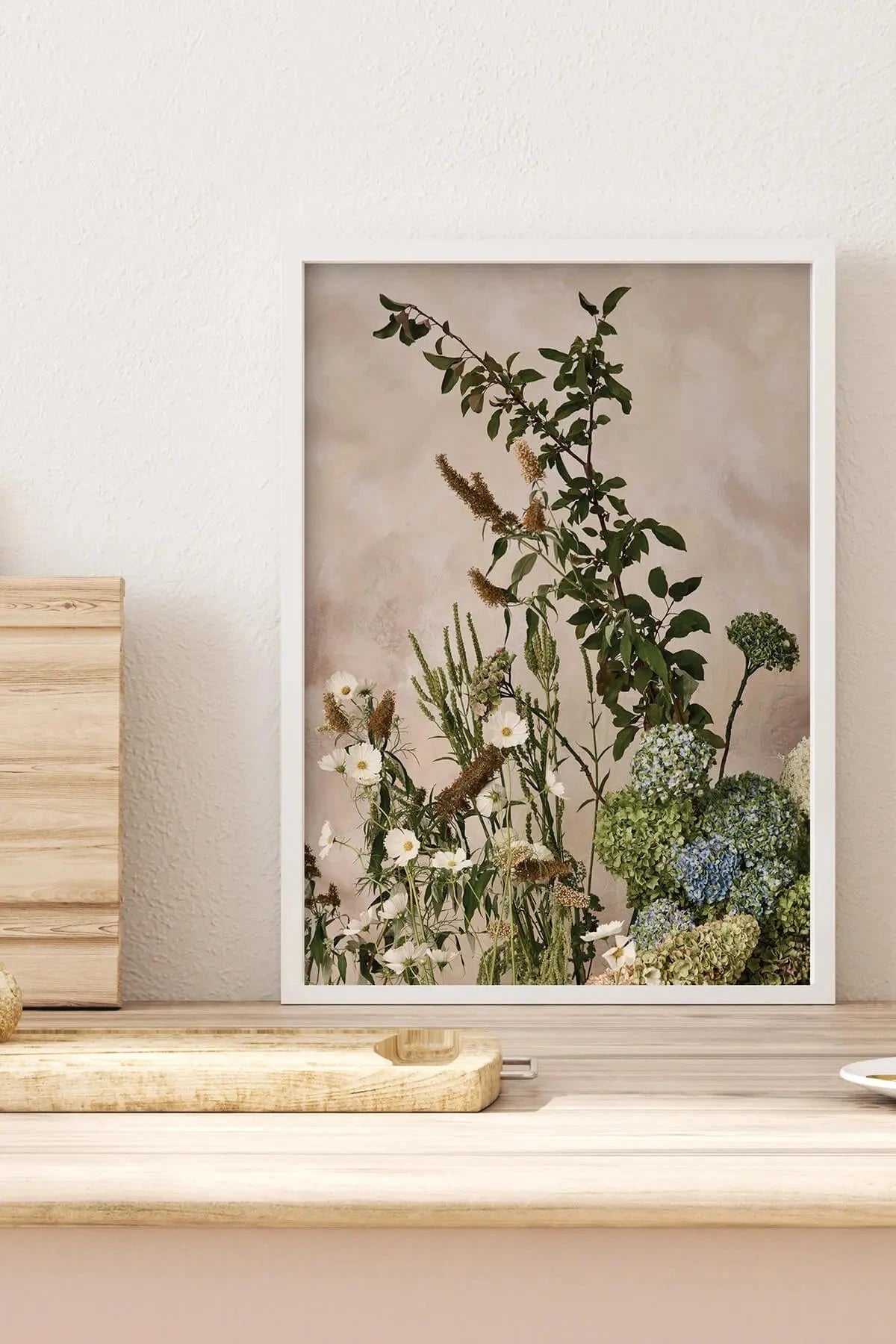
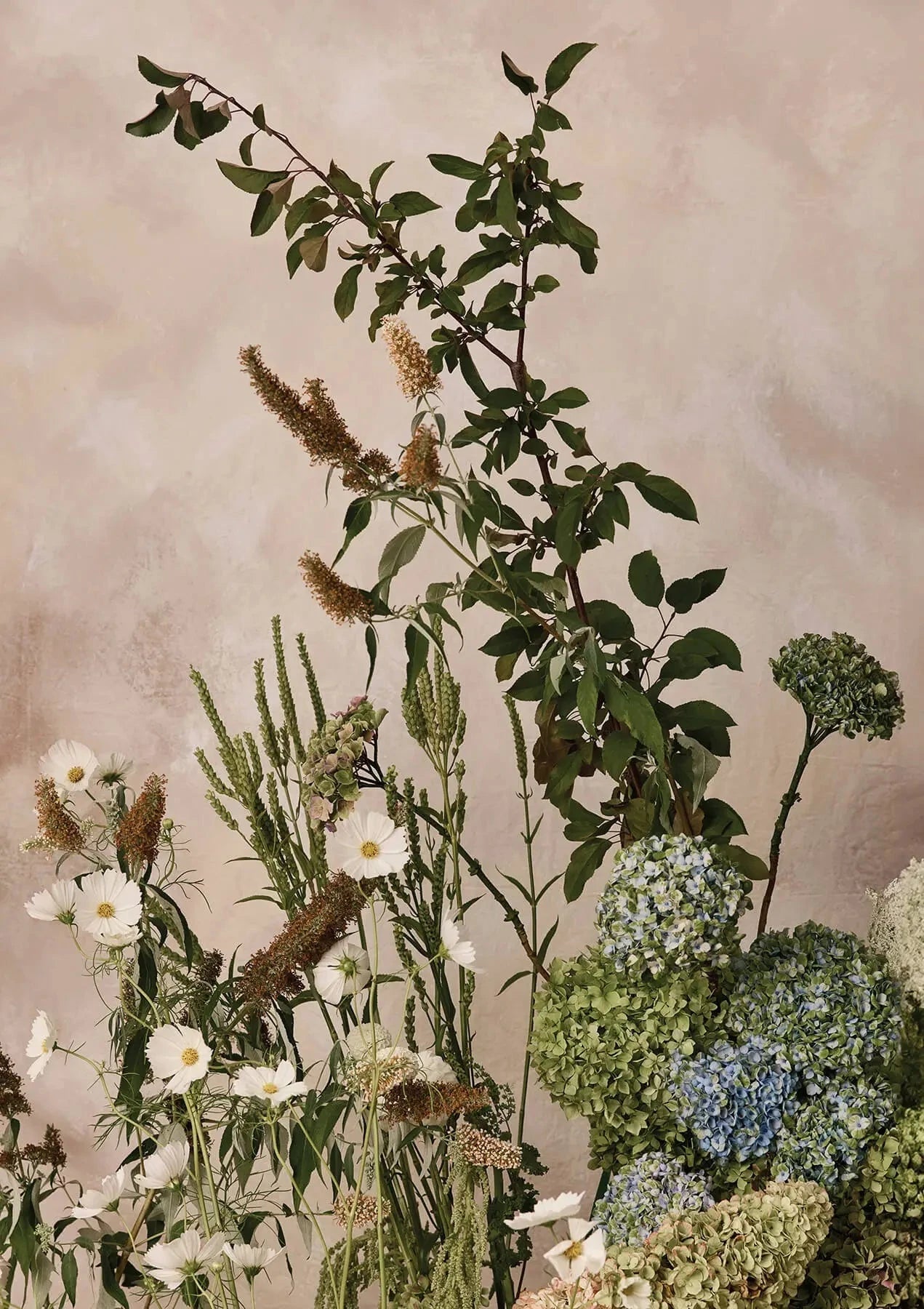
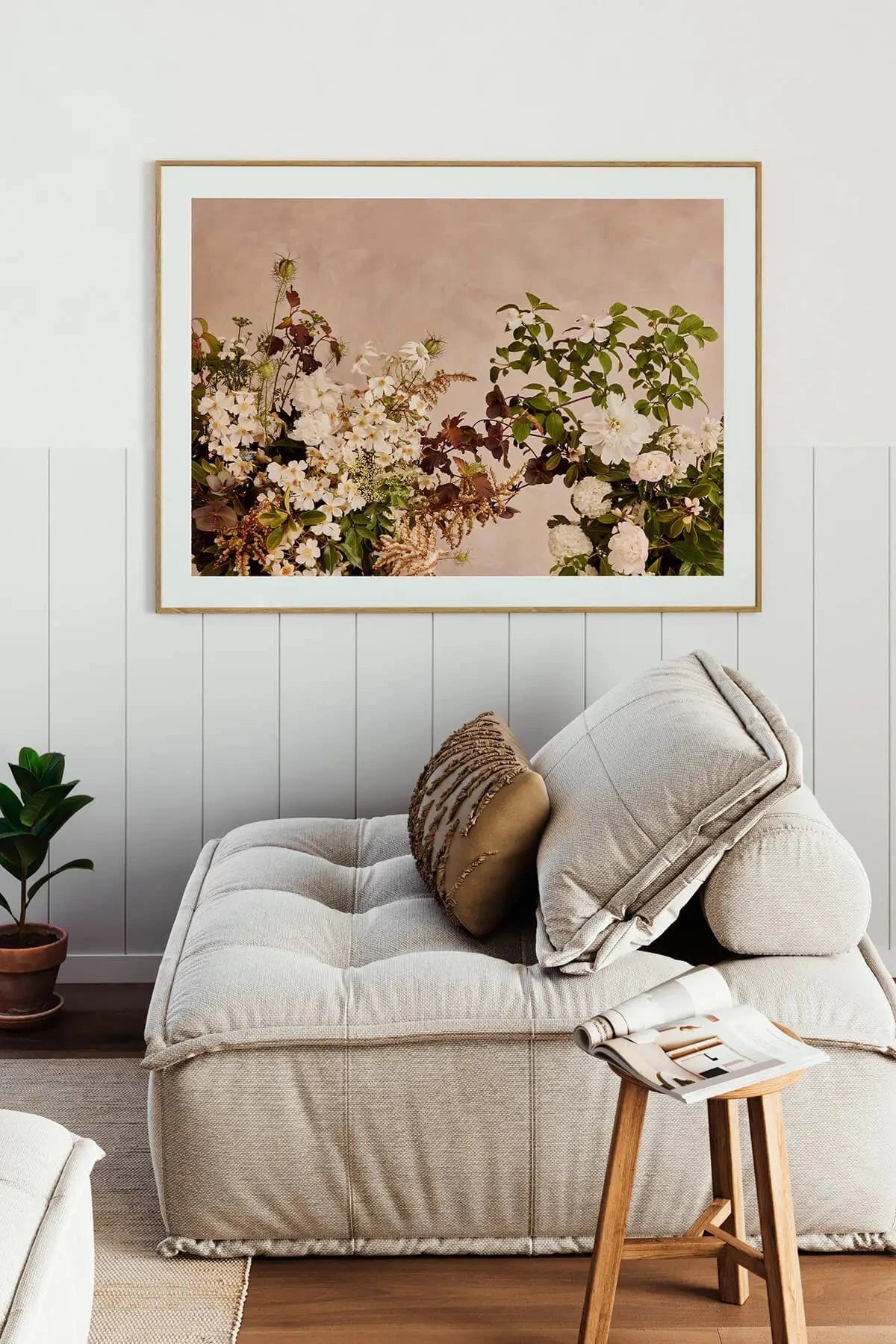
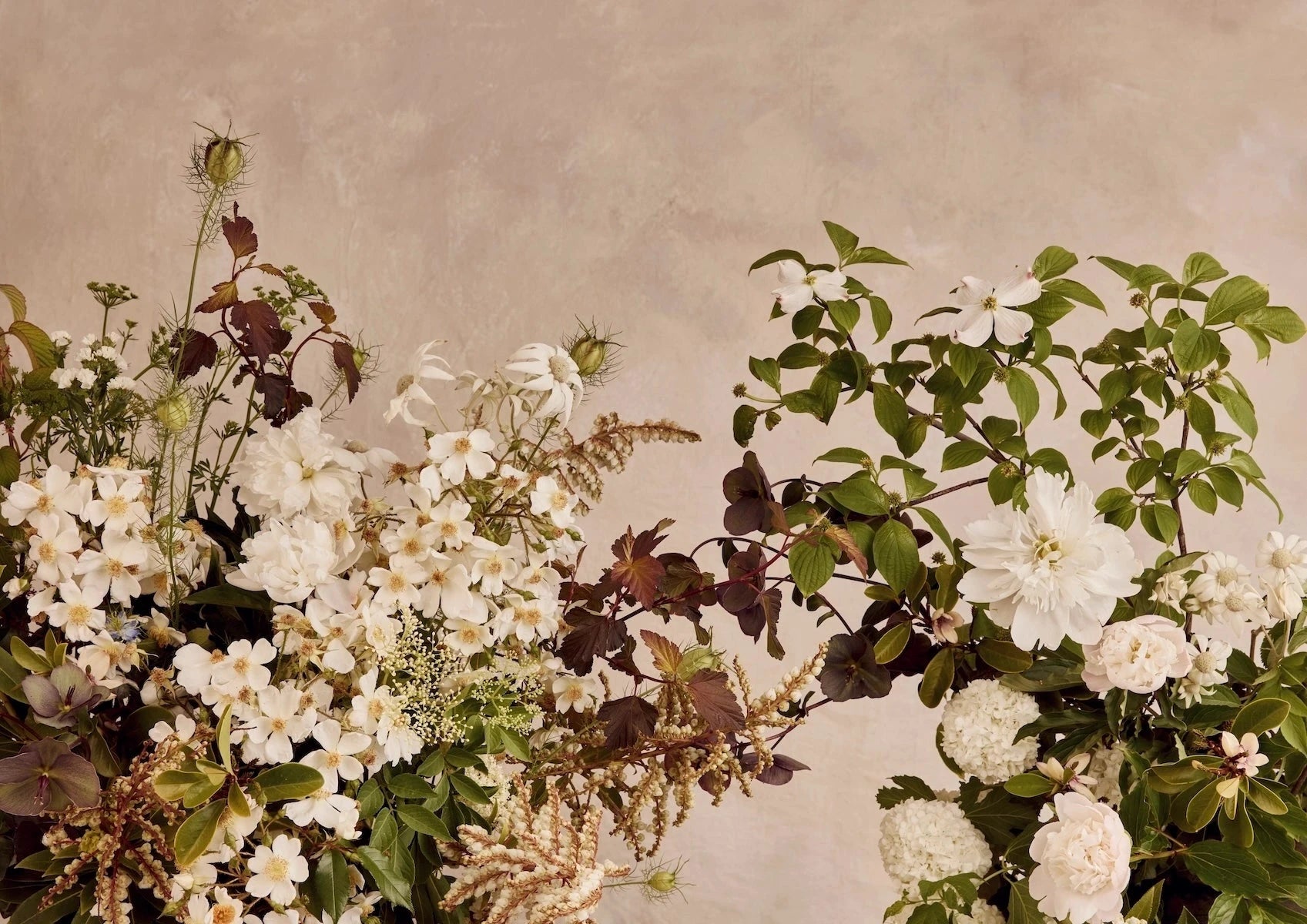
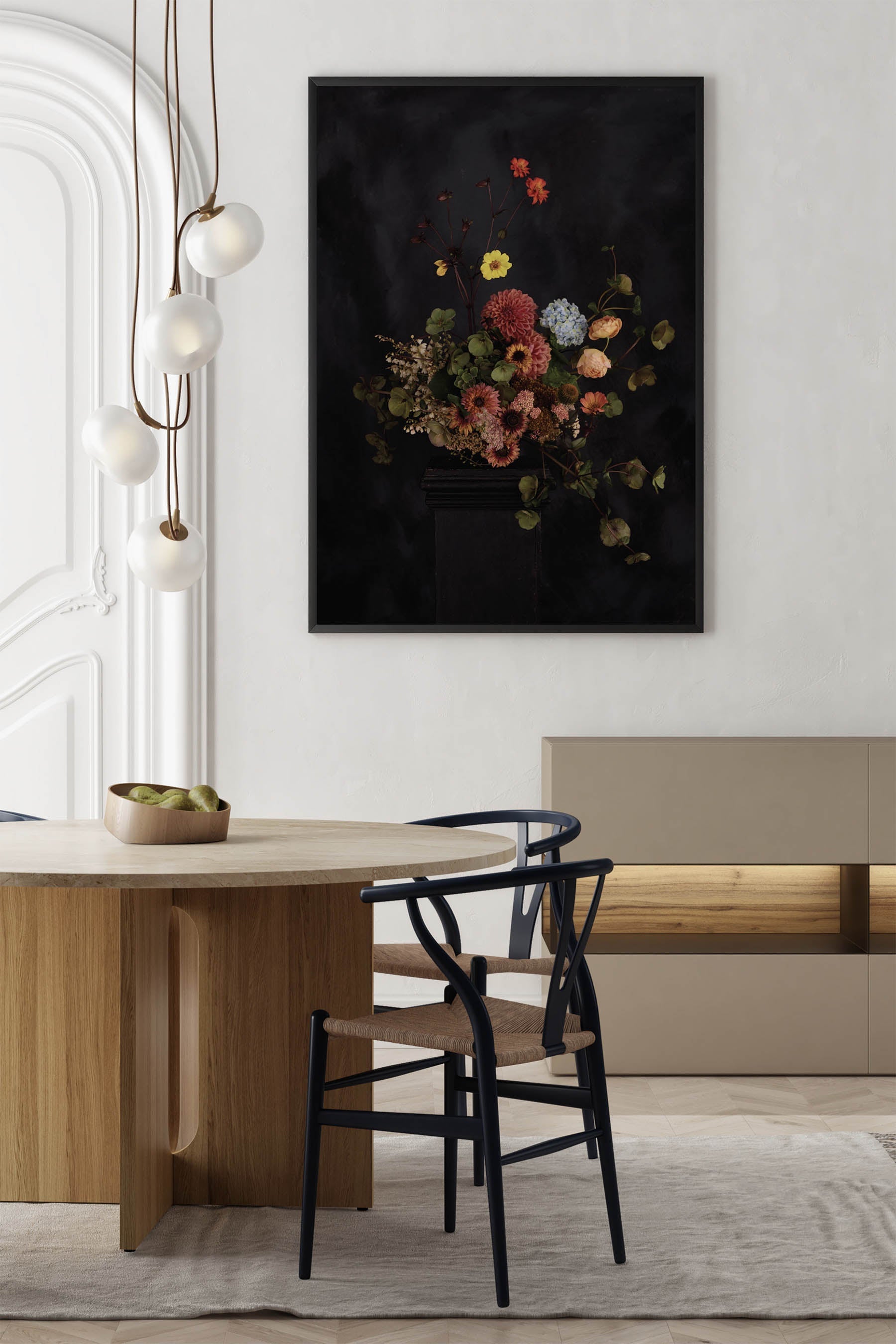
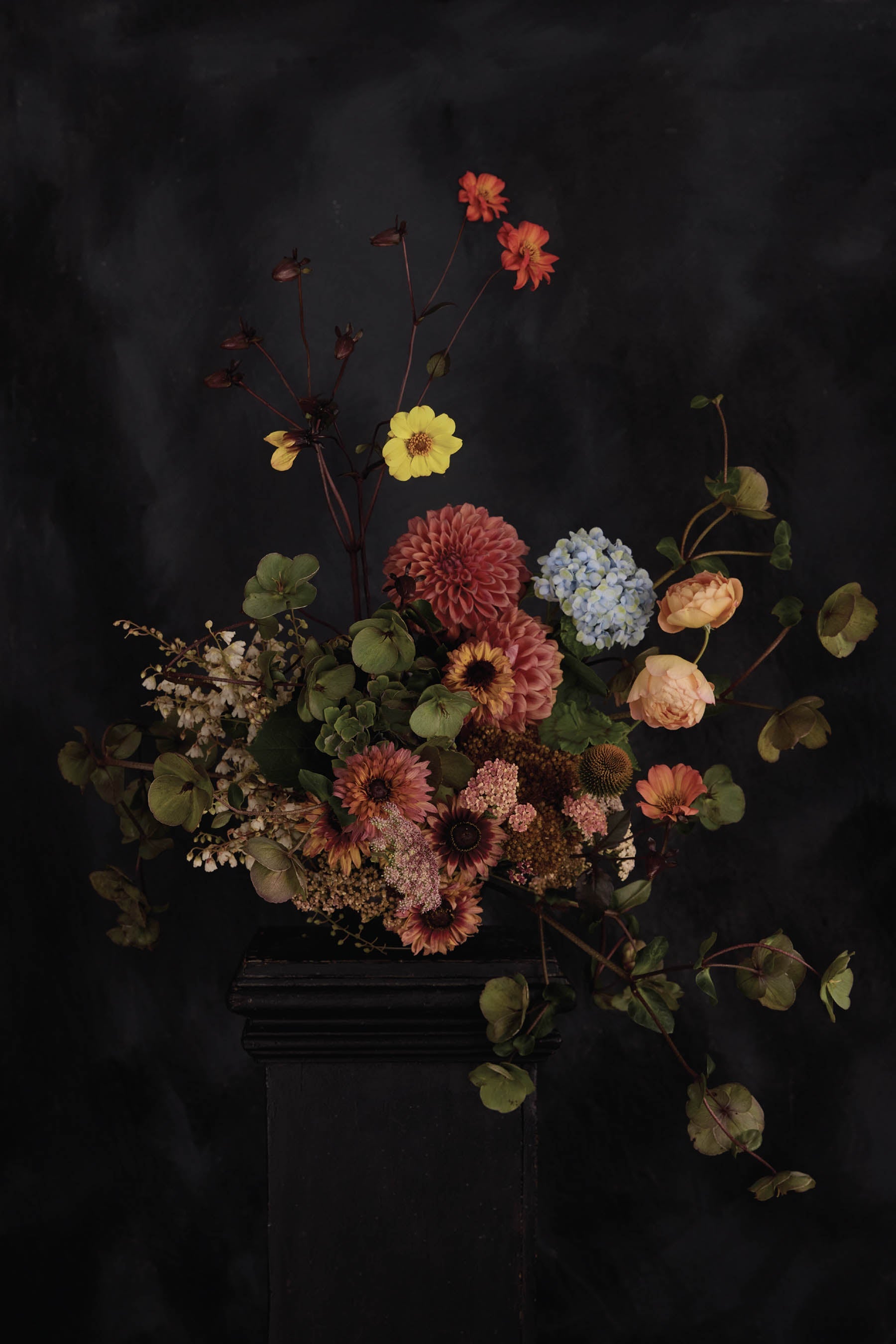
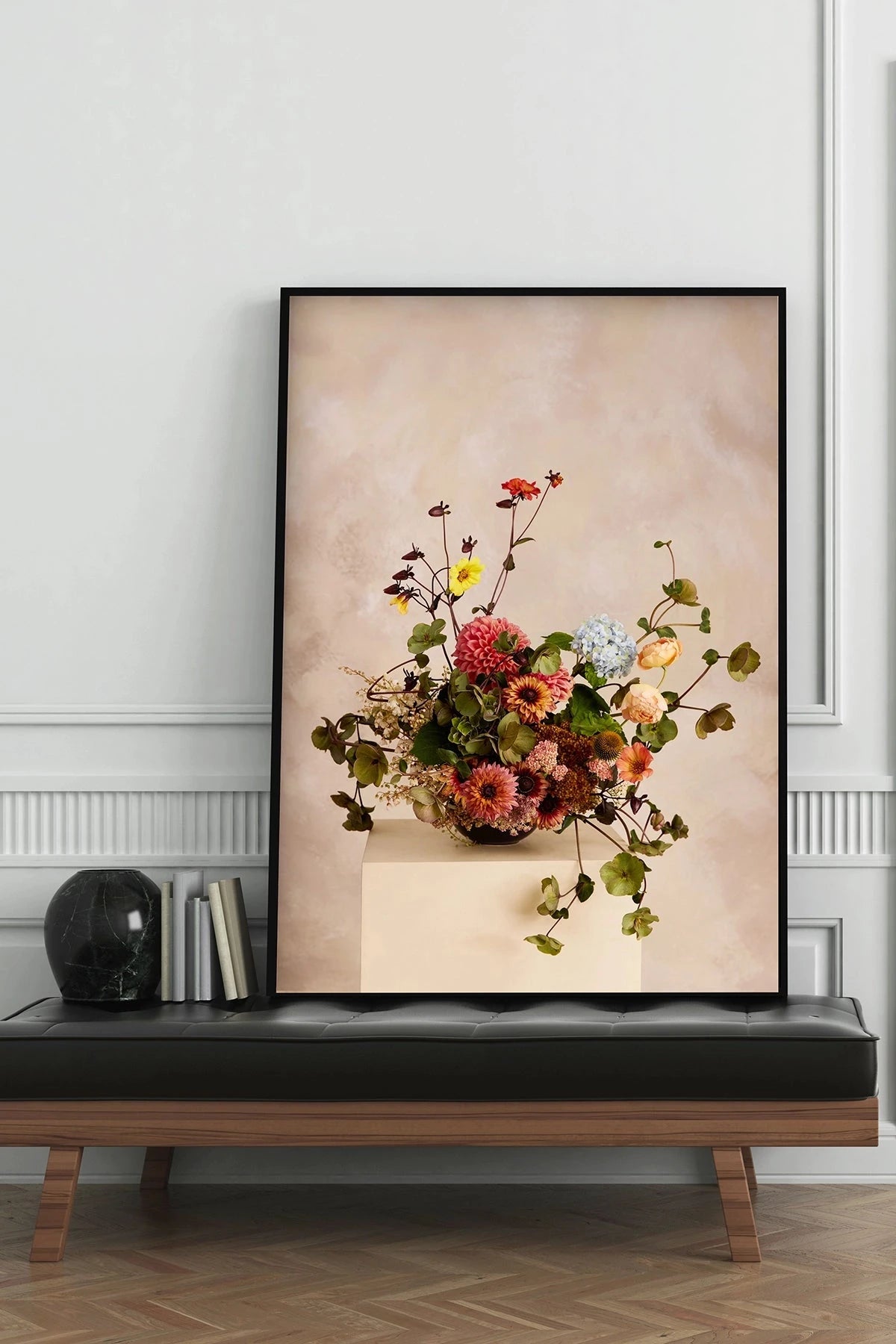
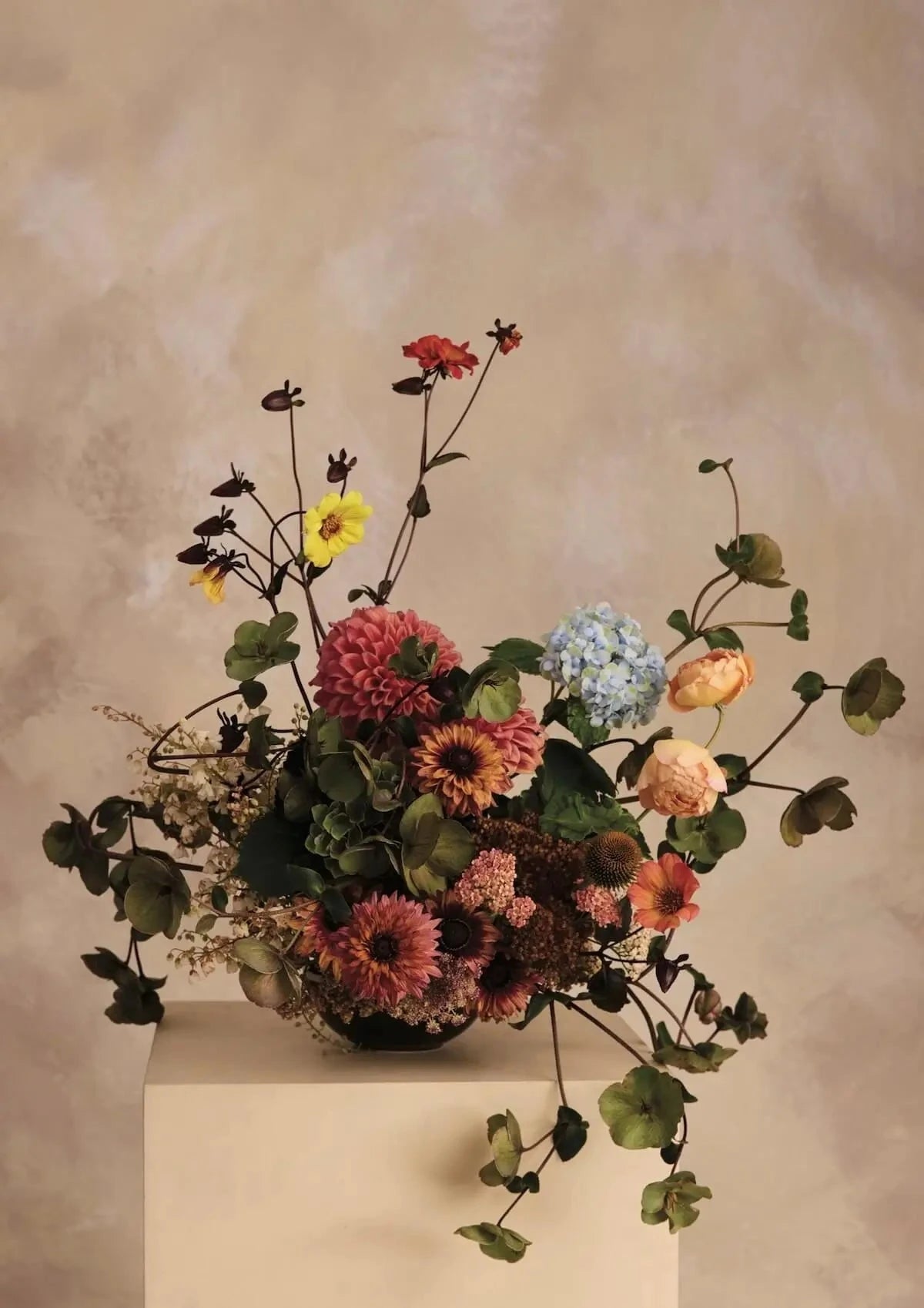
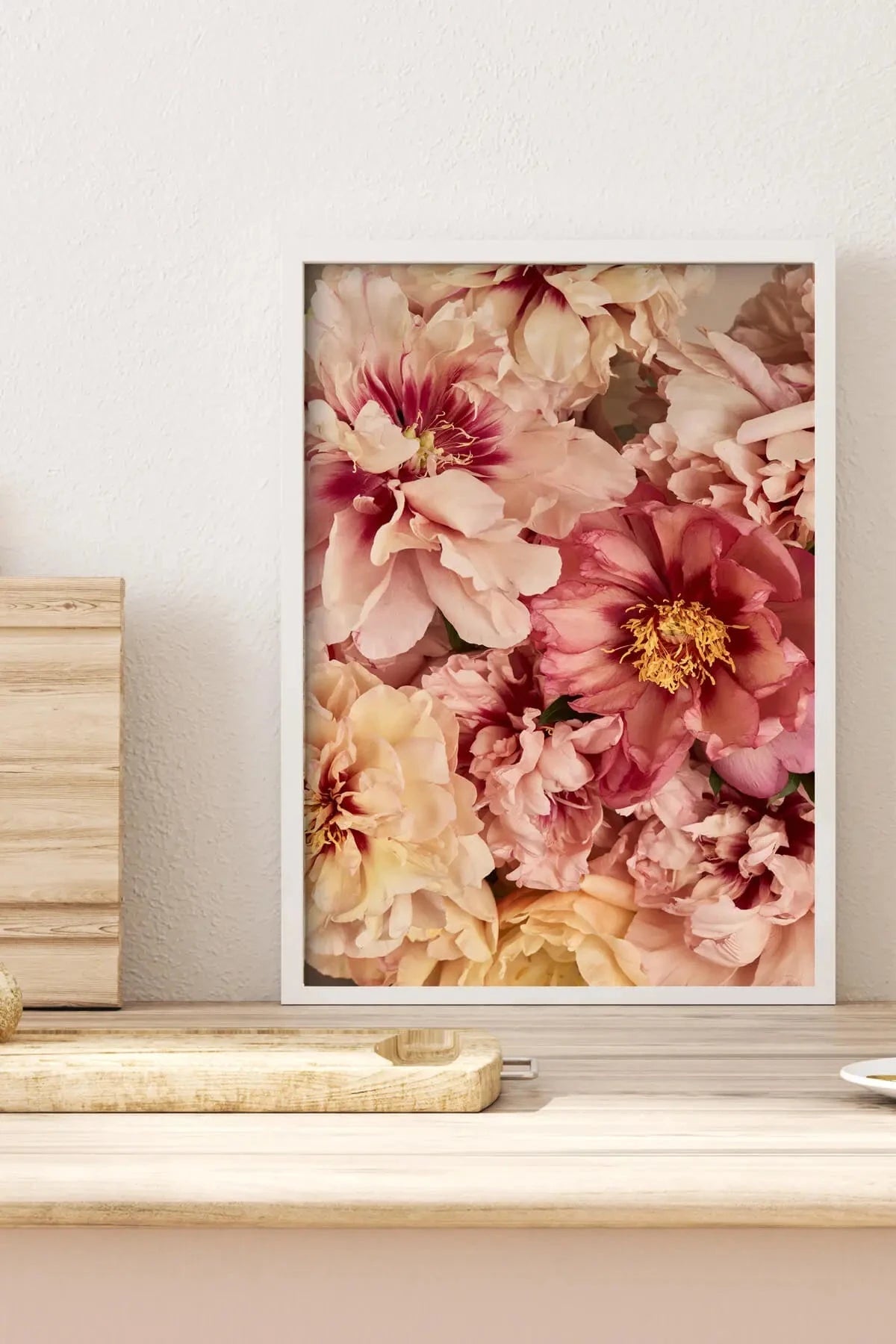
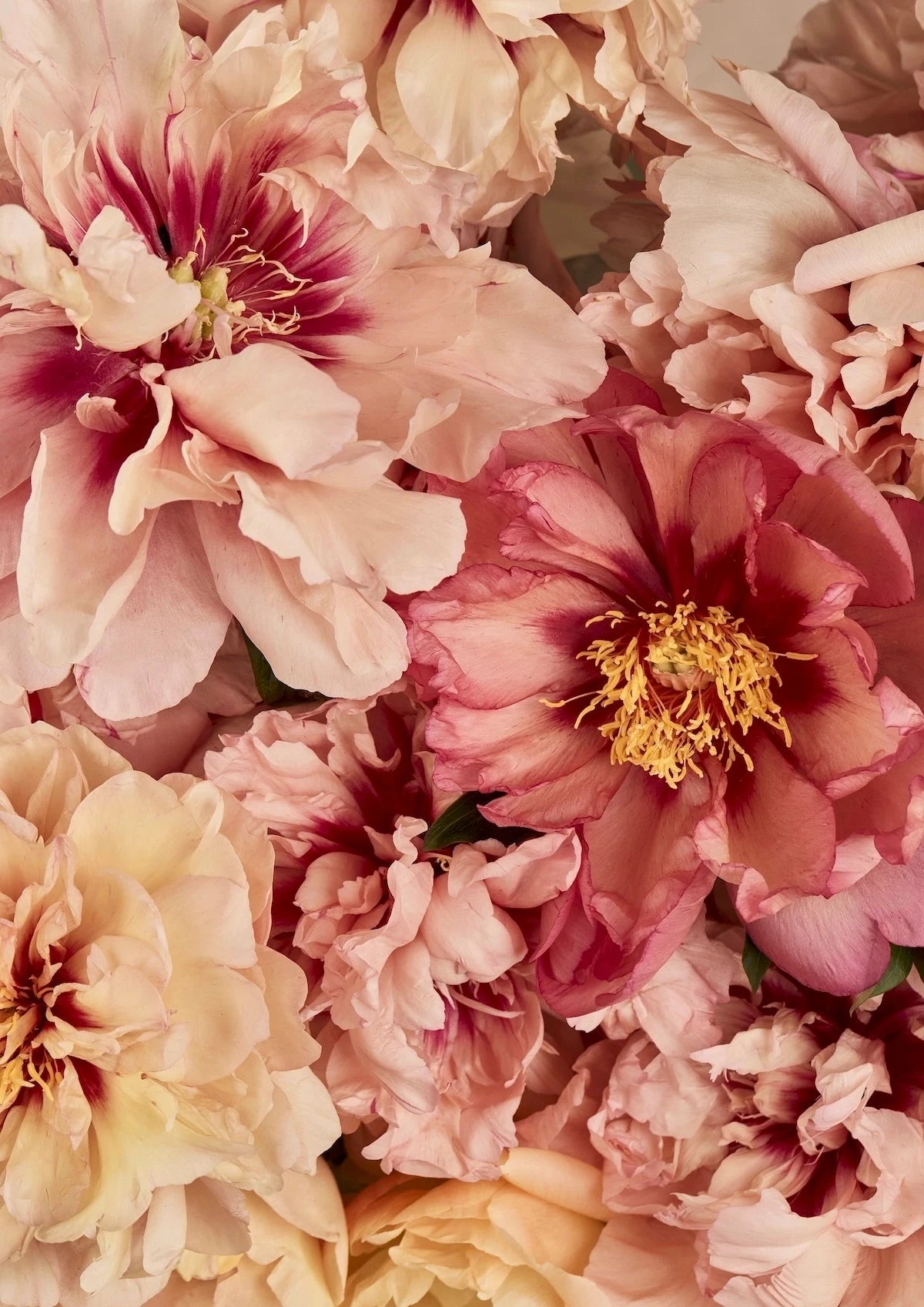
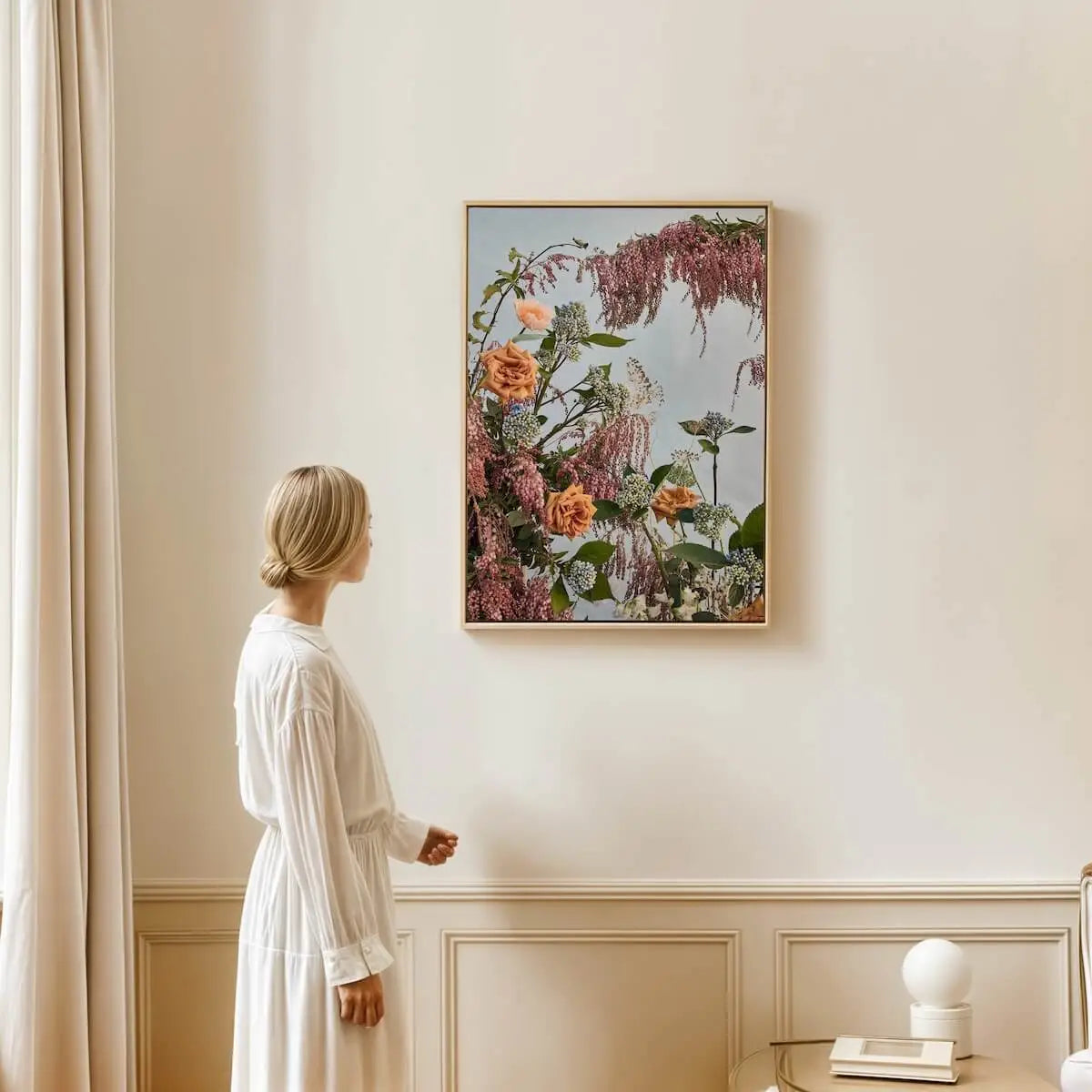
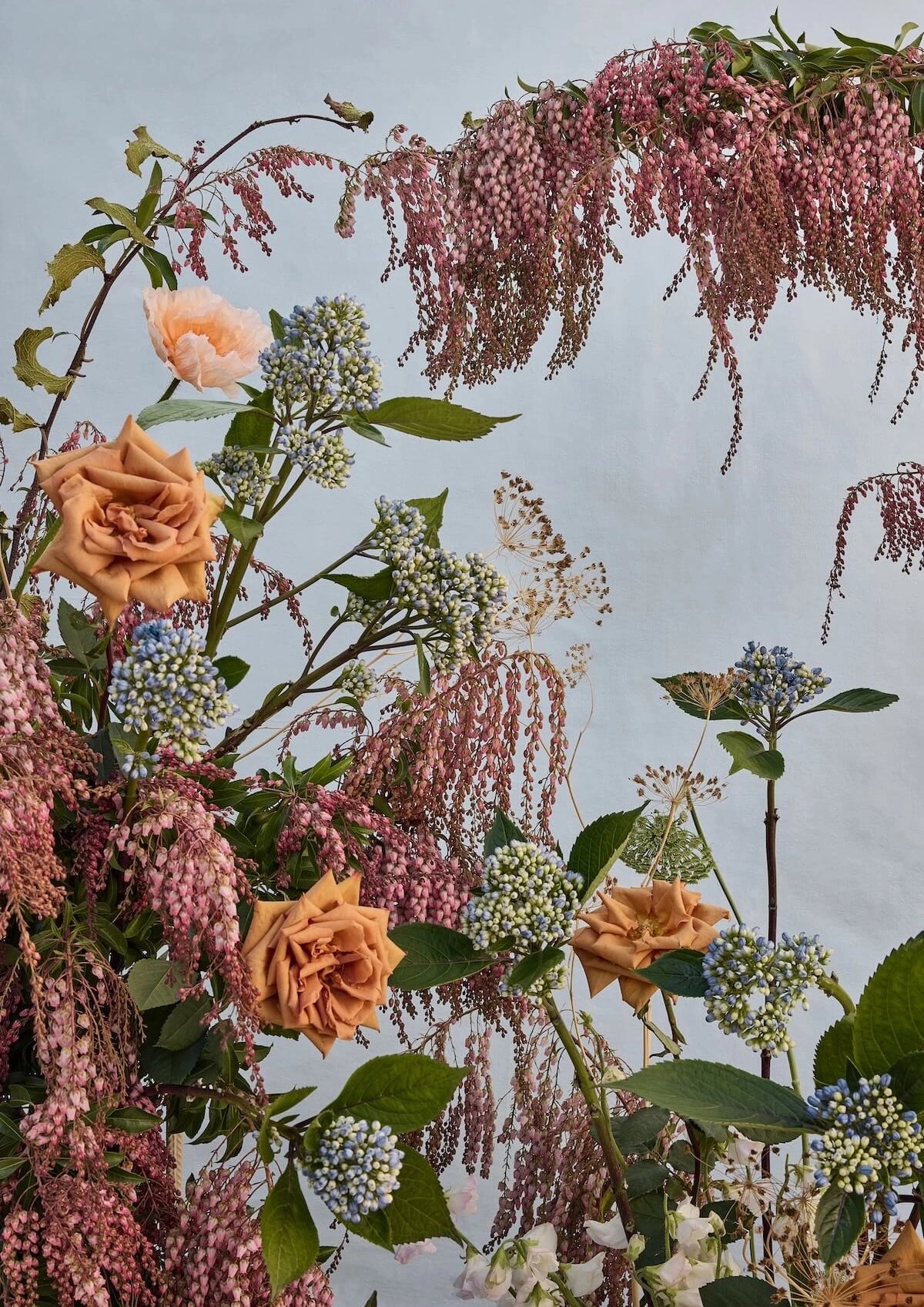
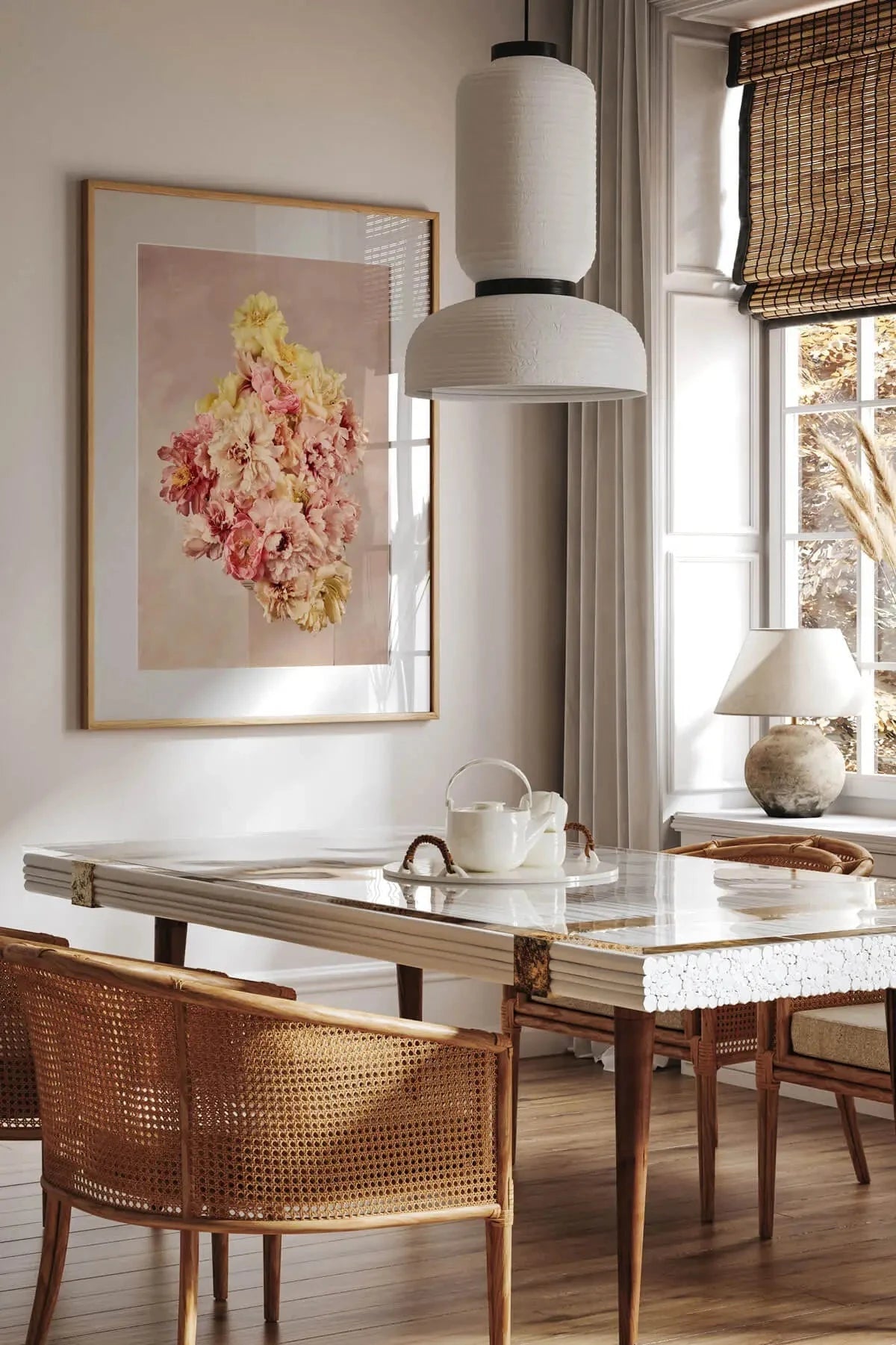
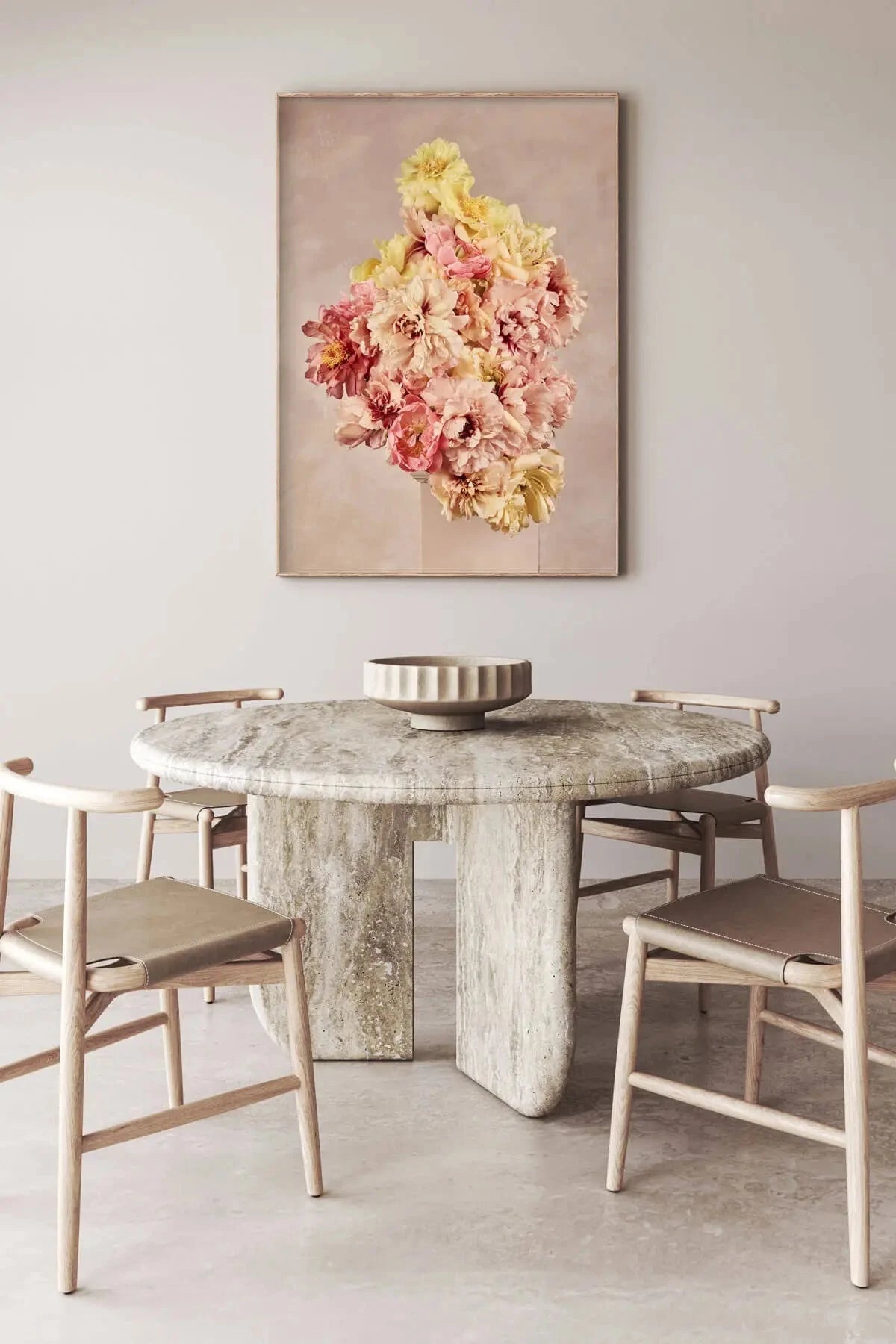
Still life prints are a natural fit for dining room walls, offering the depth and visual interest that transforms a meal into an experience. These are prints with enough depth to hold attention across a long dinner, without competing with the table.
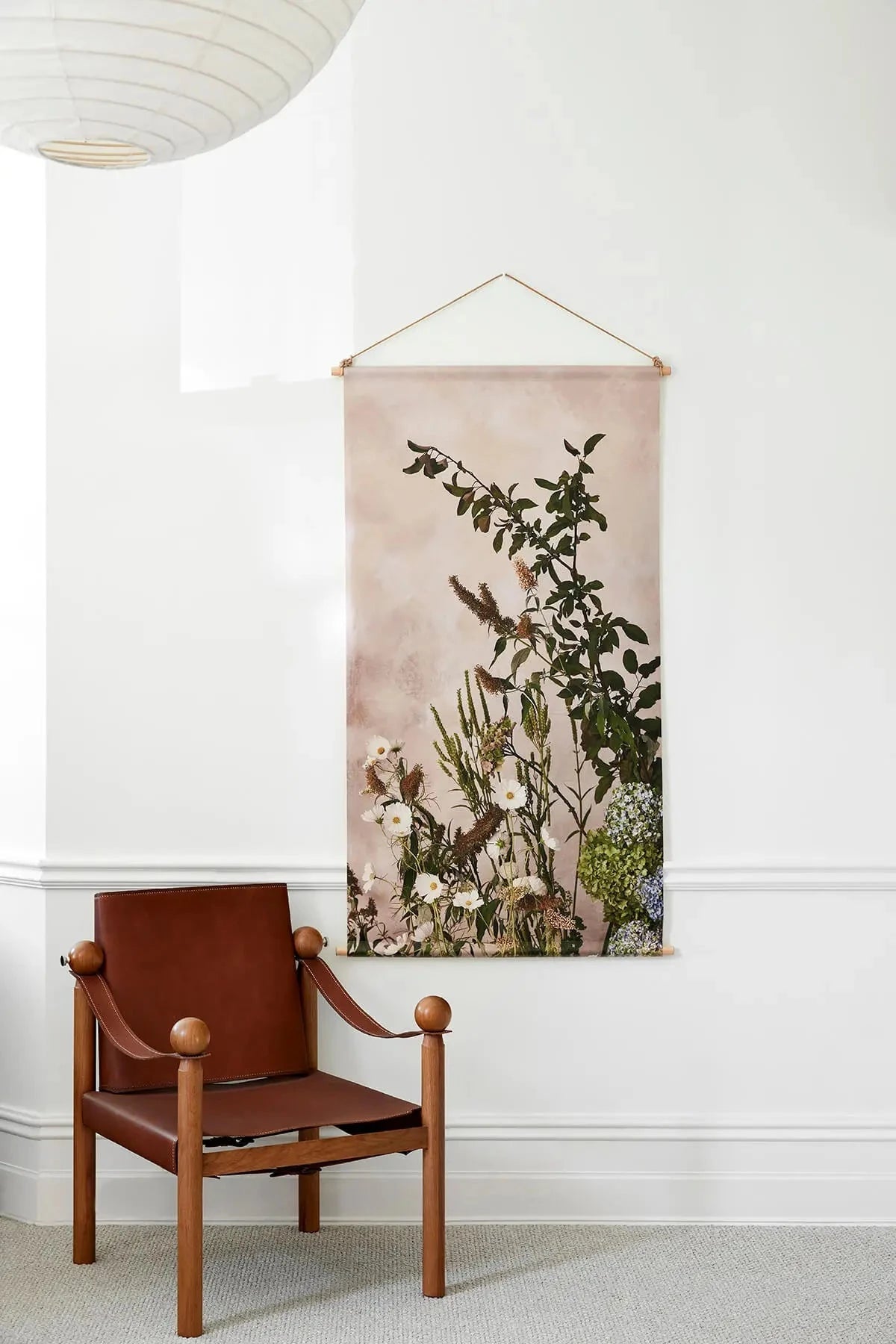
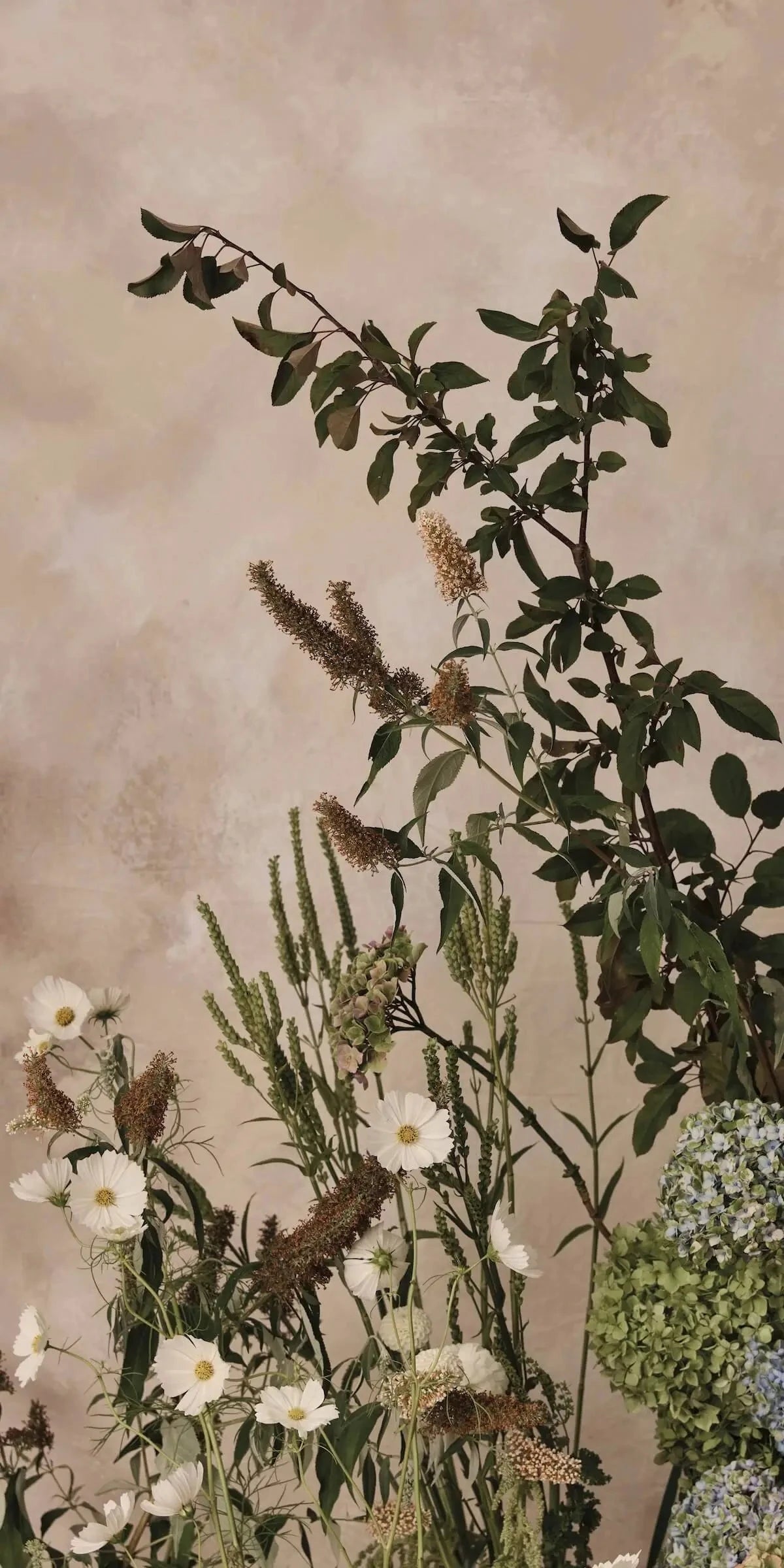
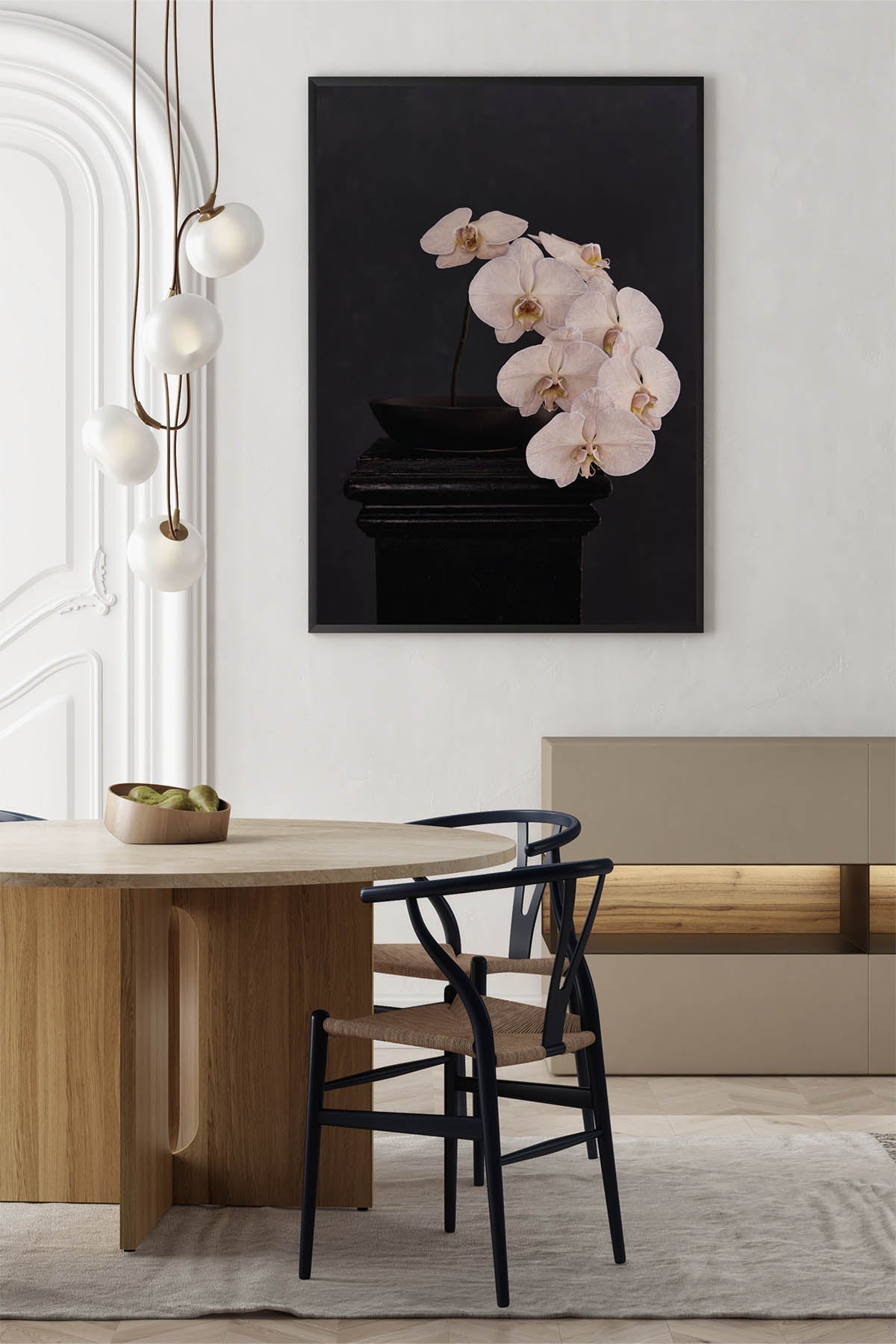
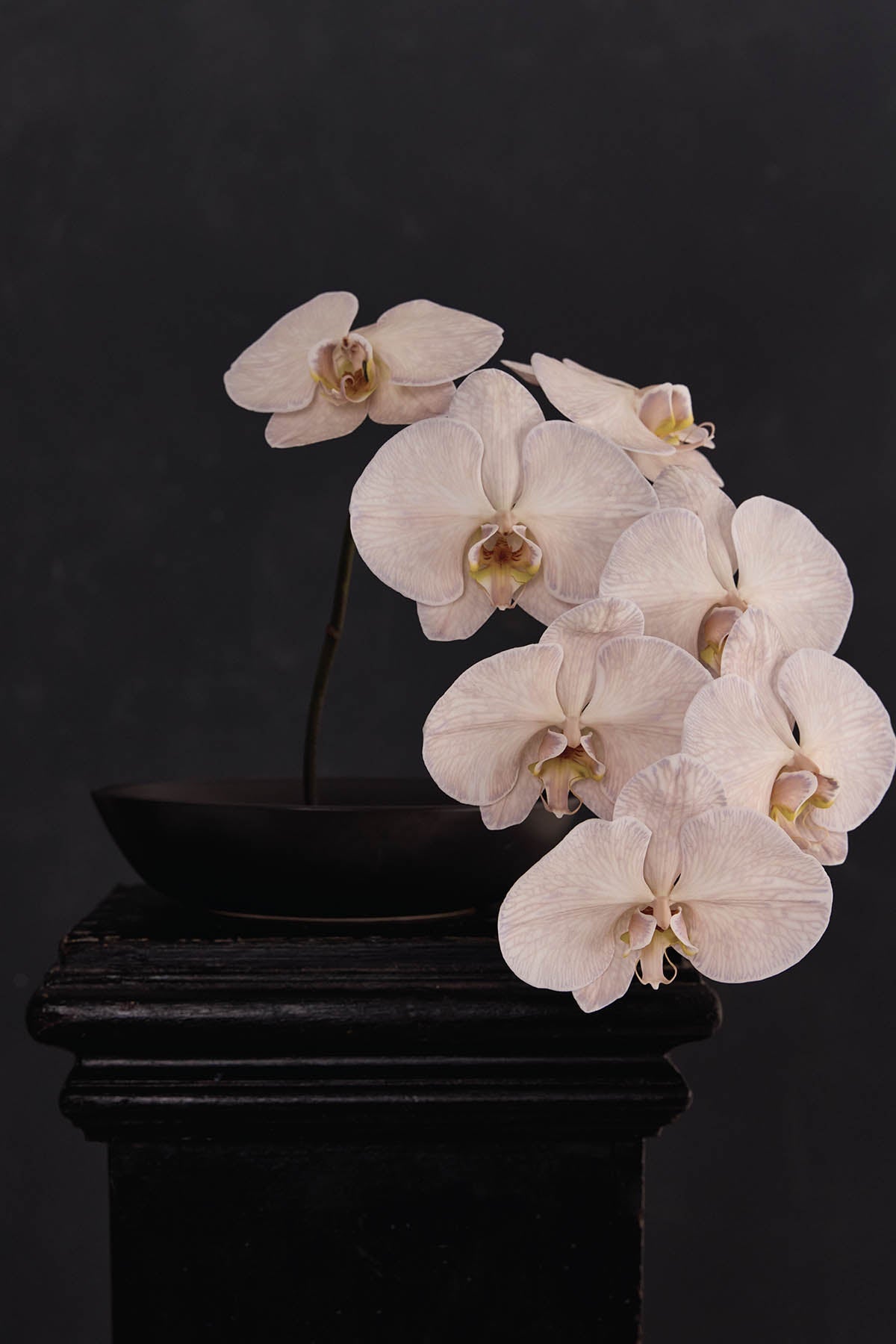
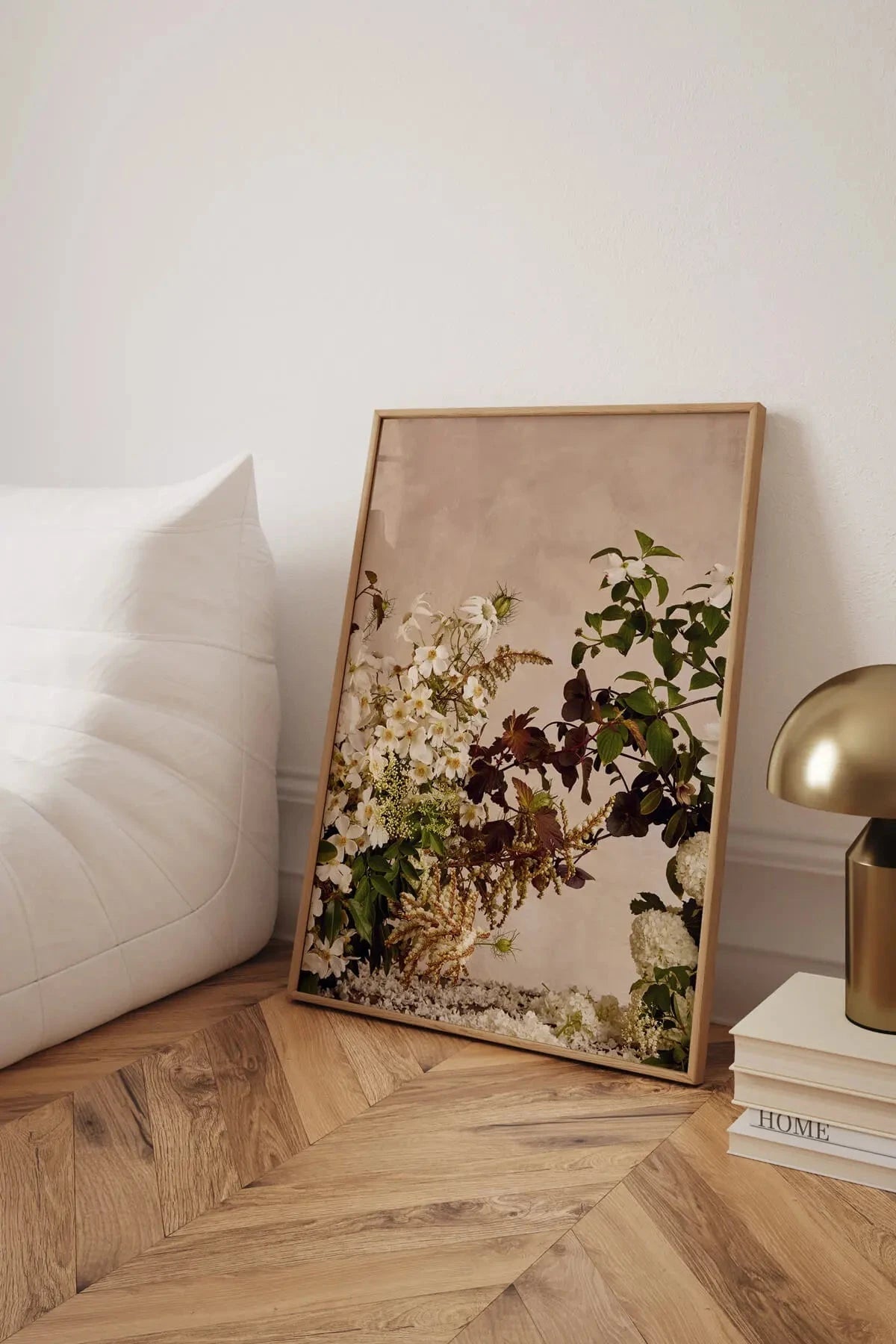
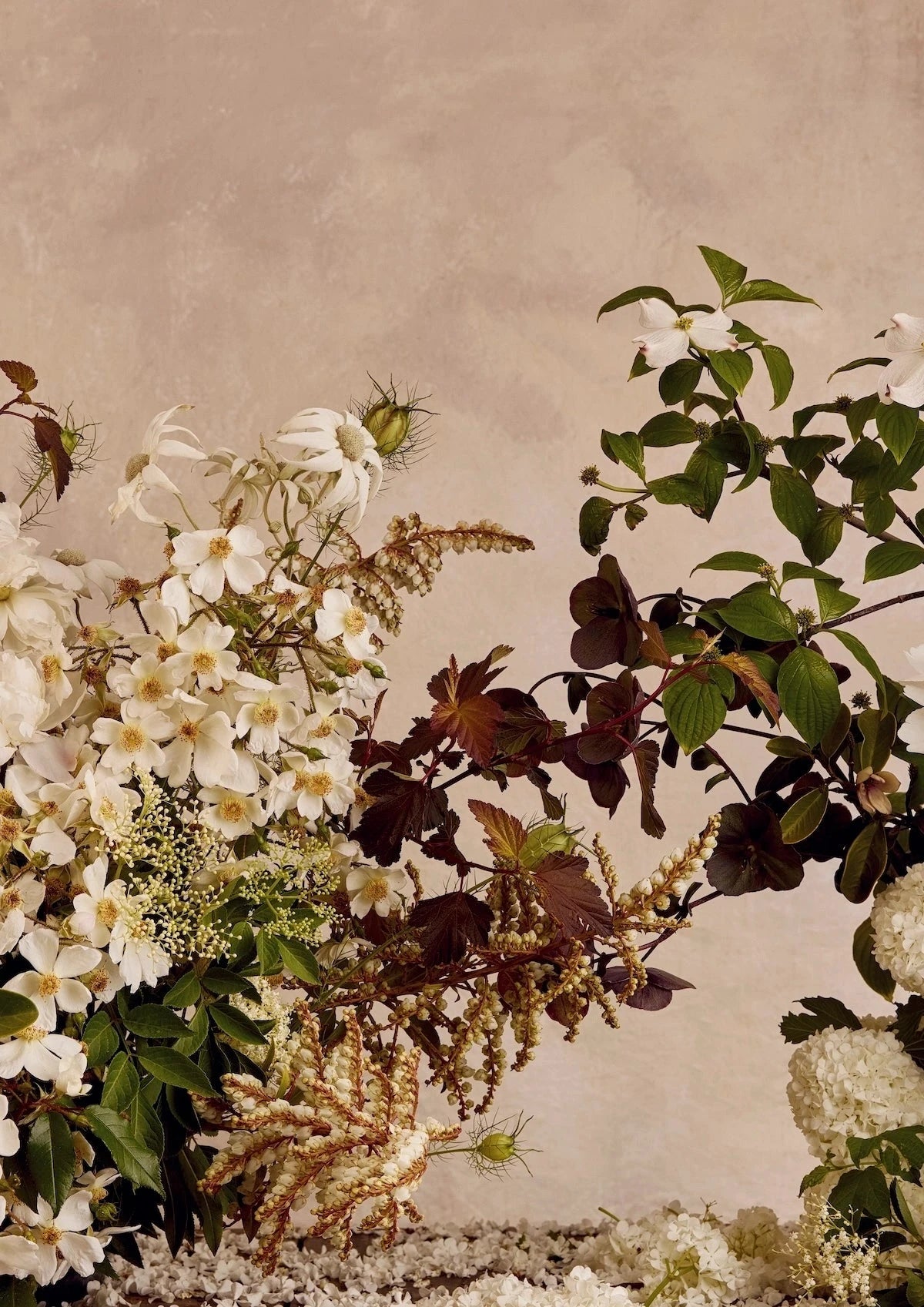
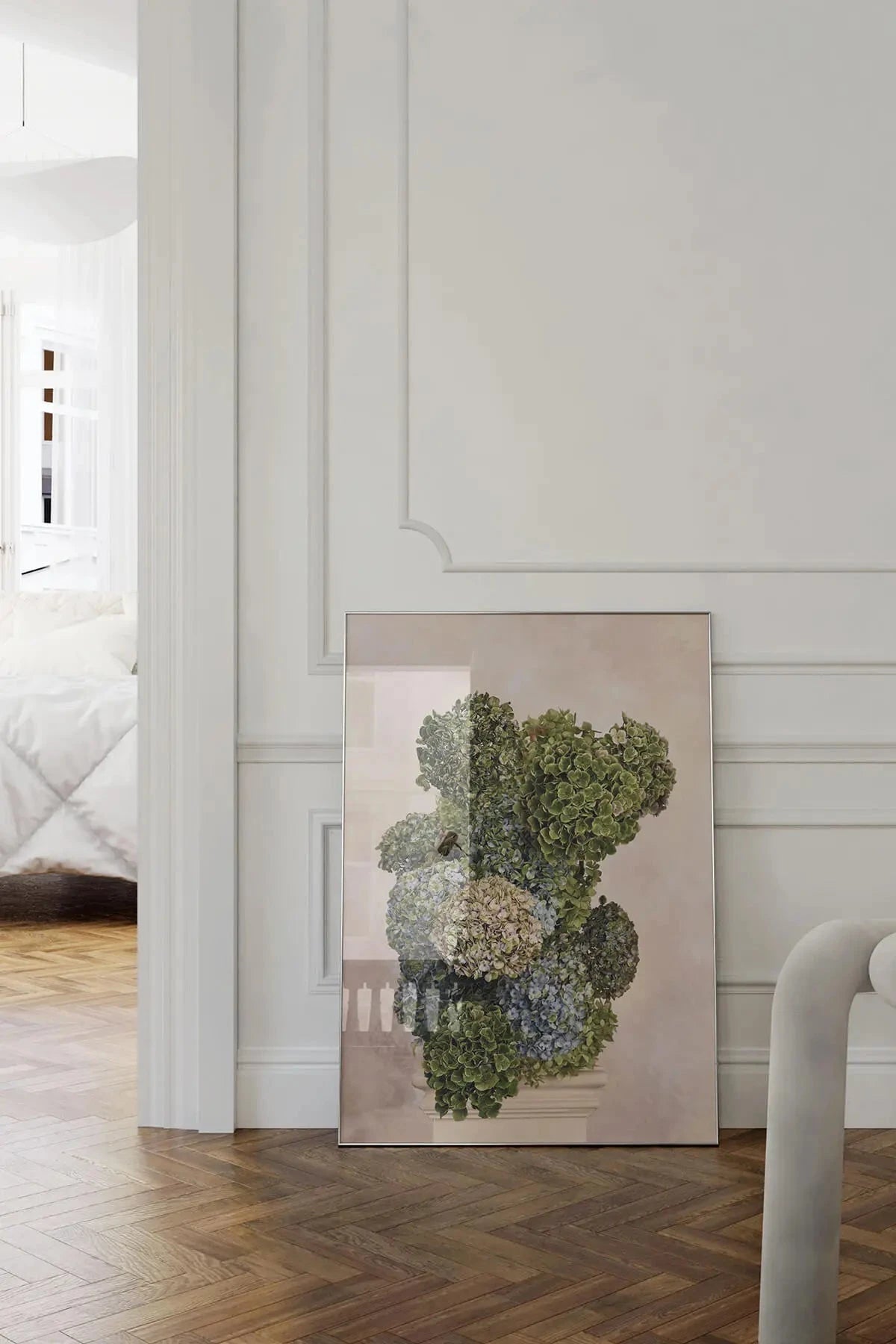
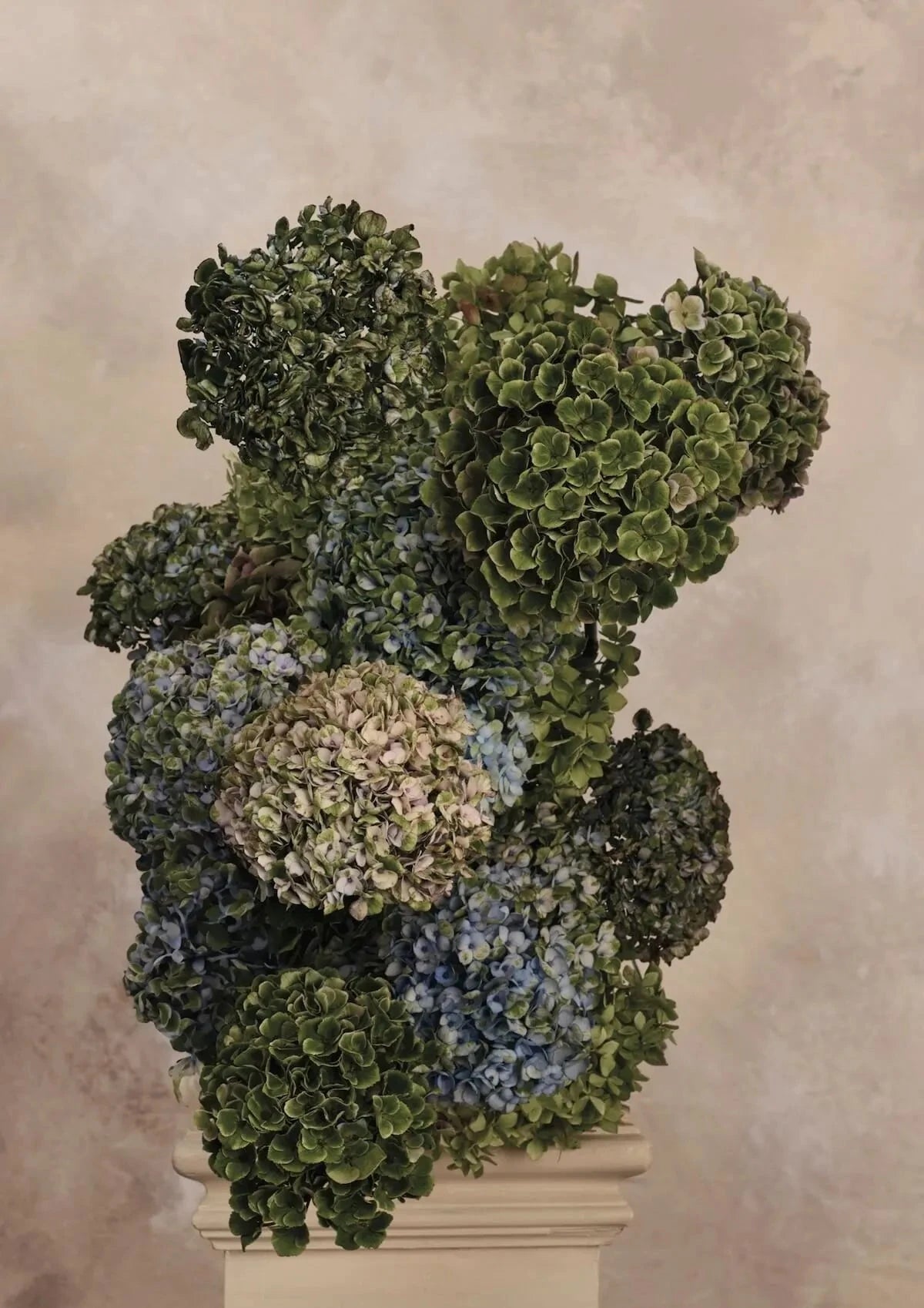


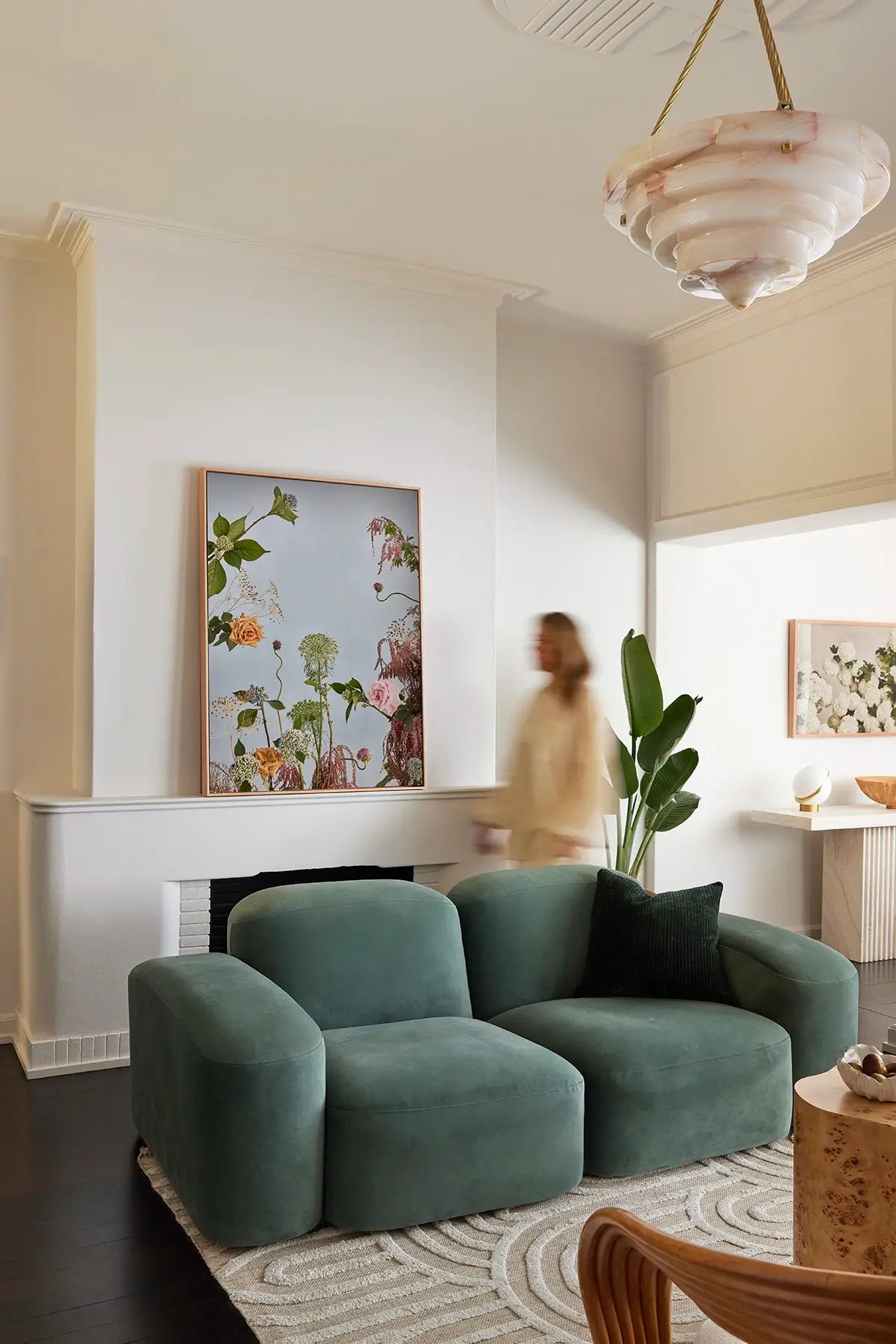
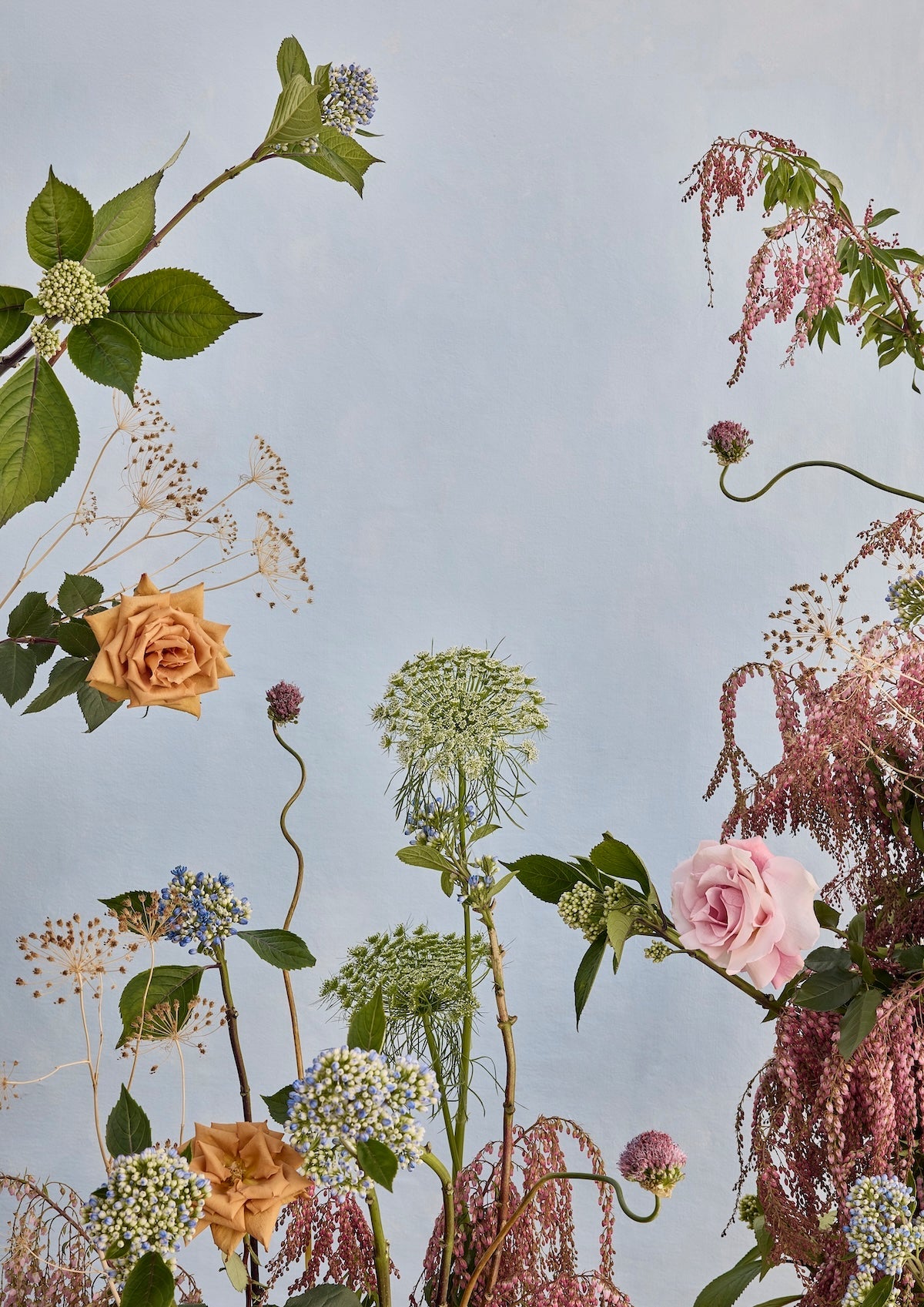


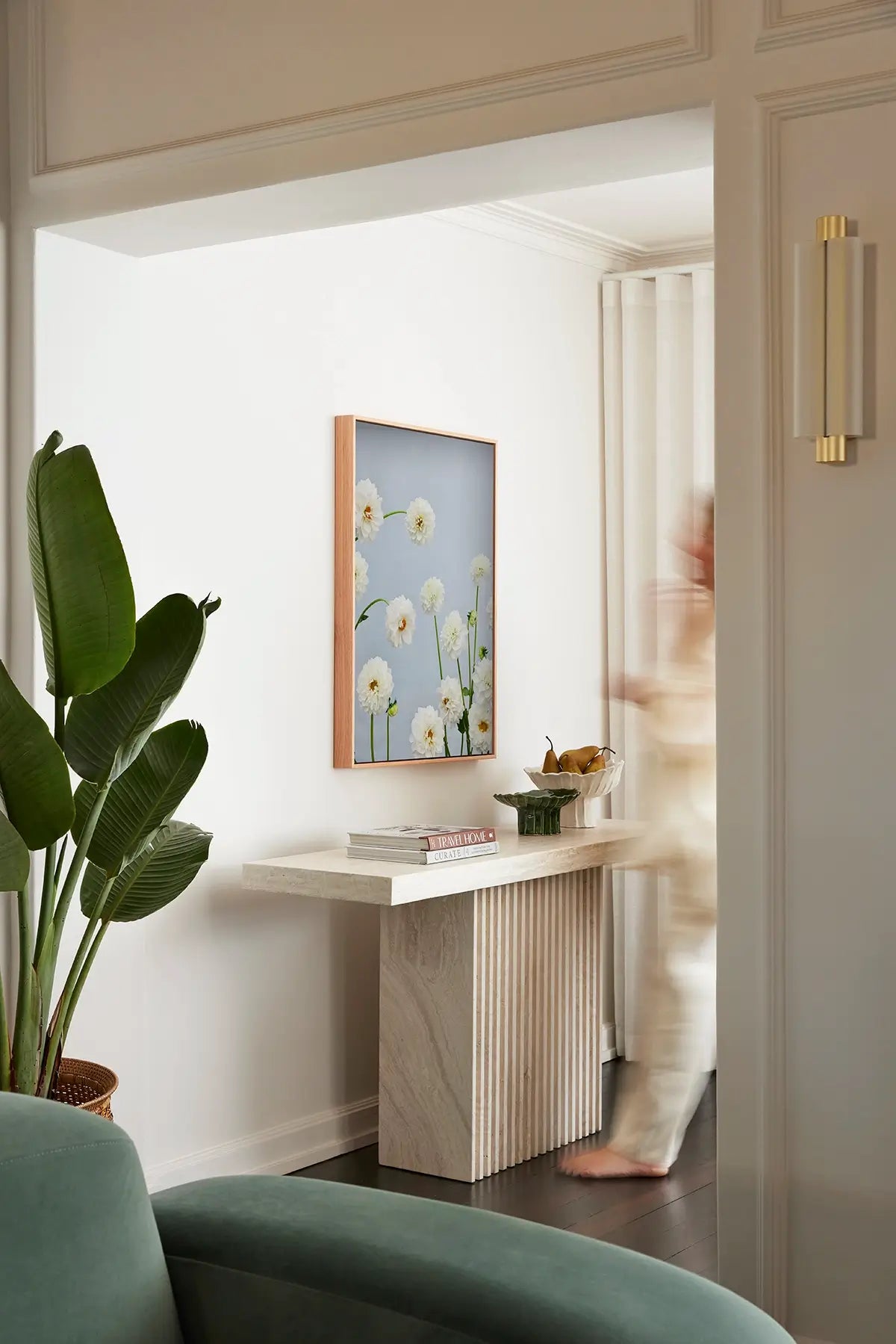
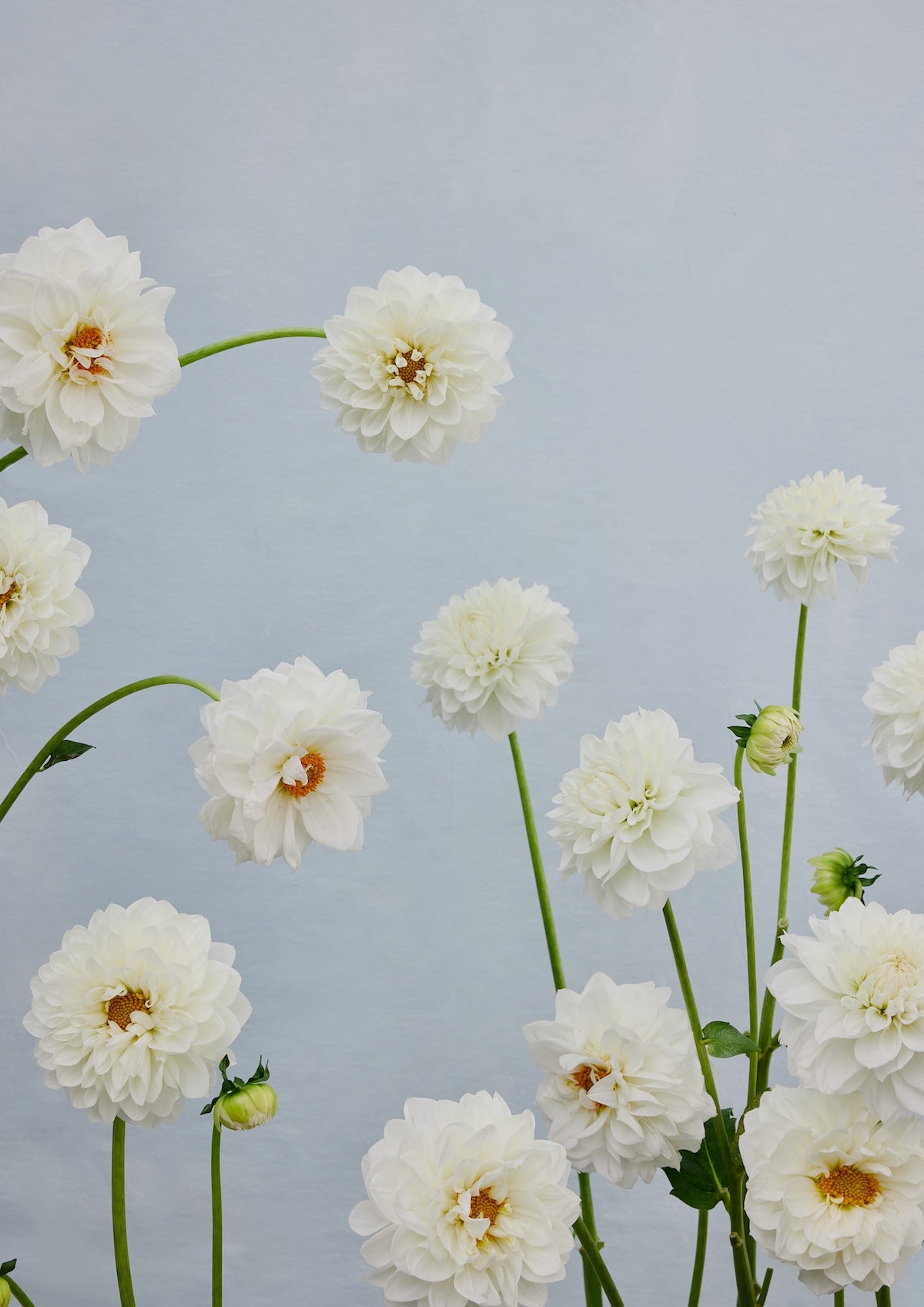


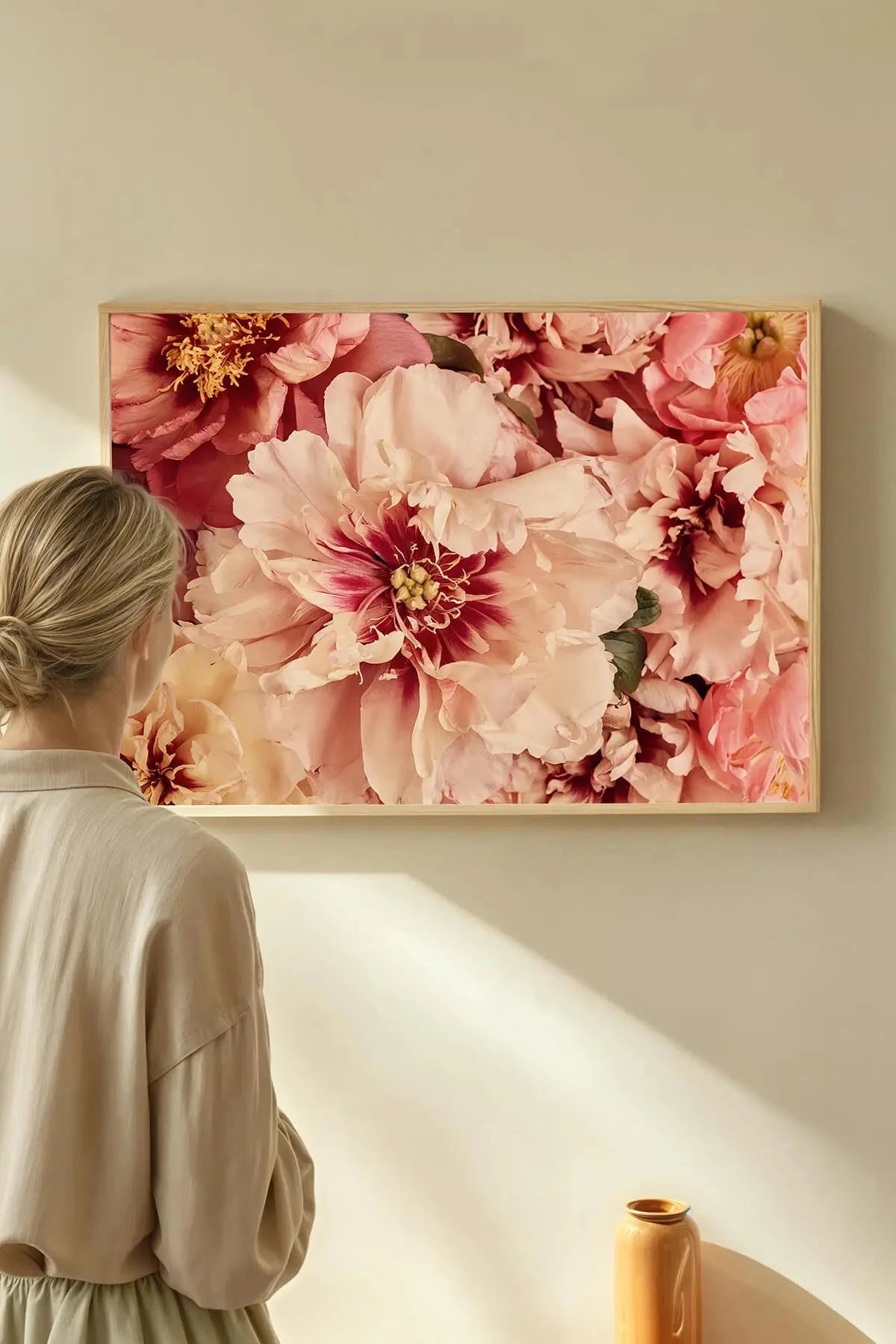
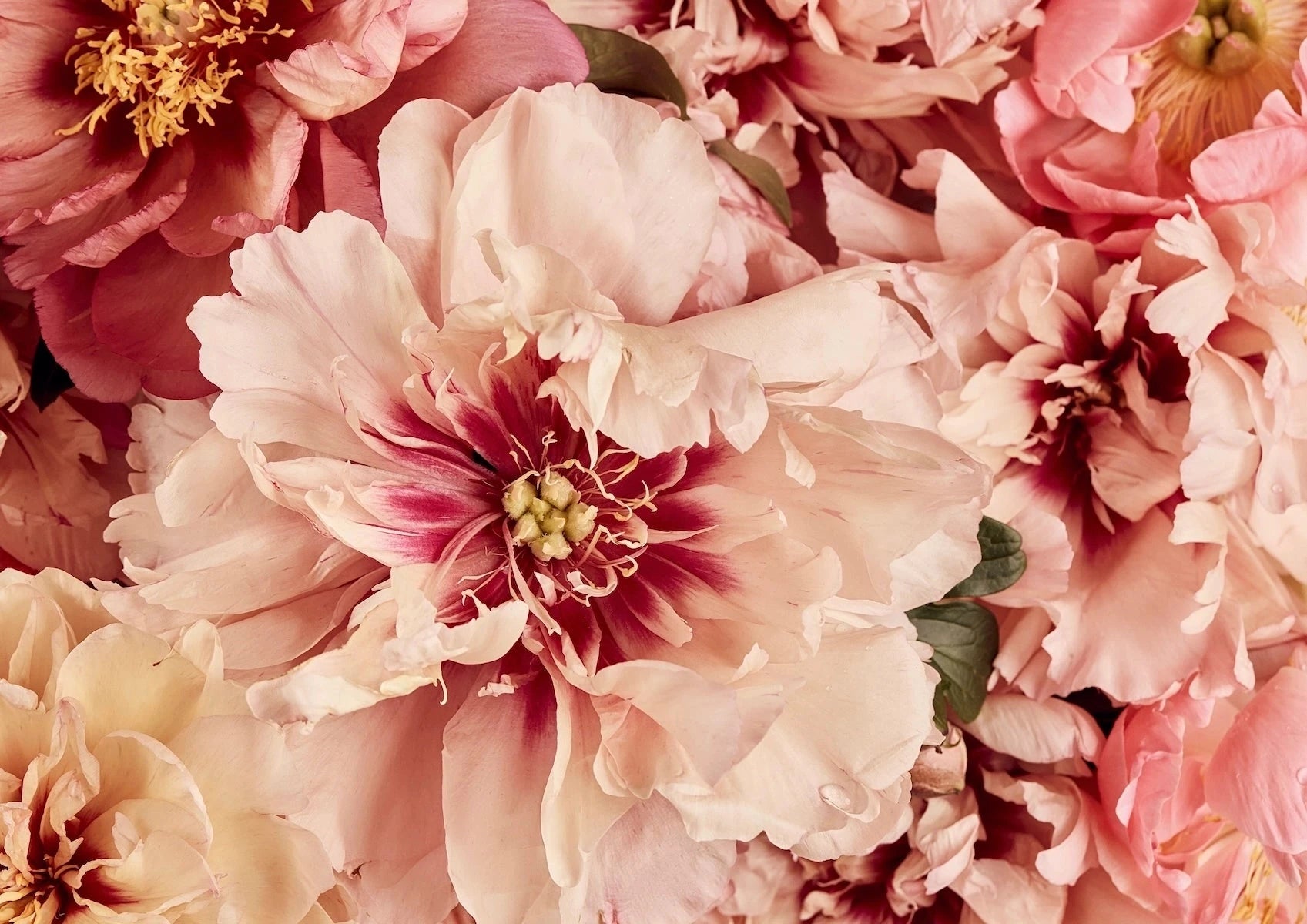
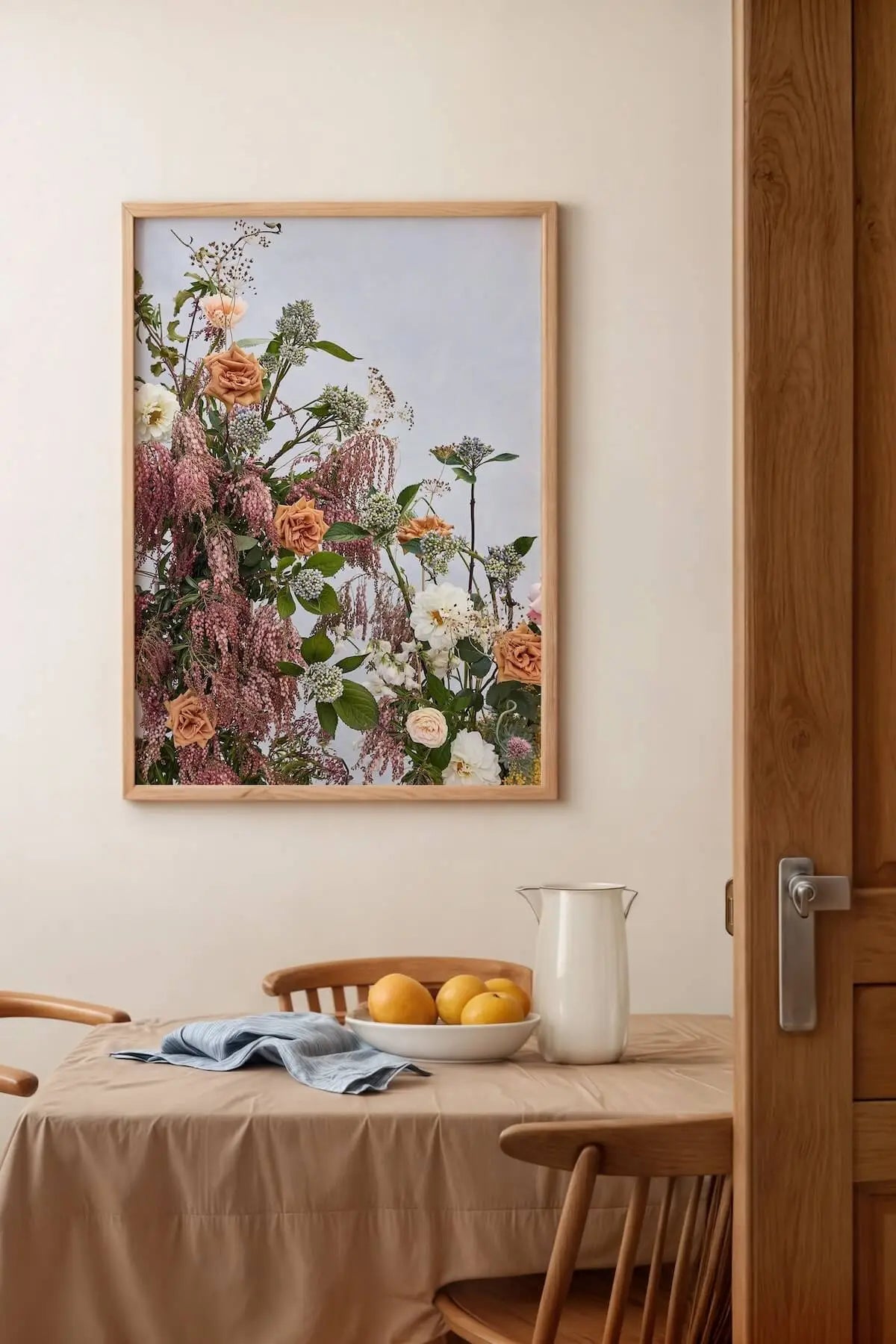
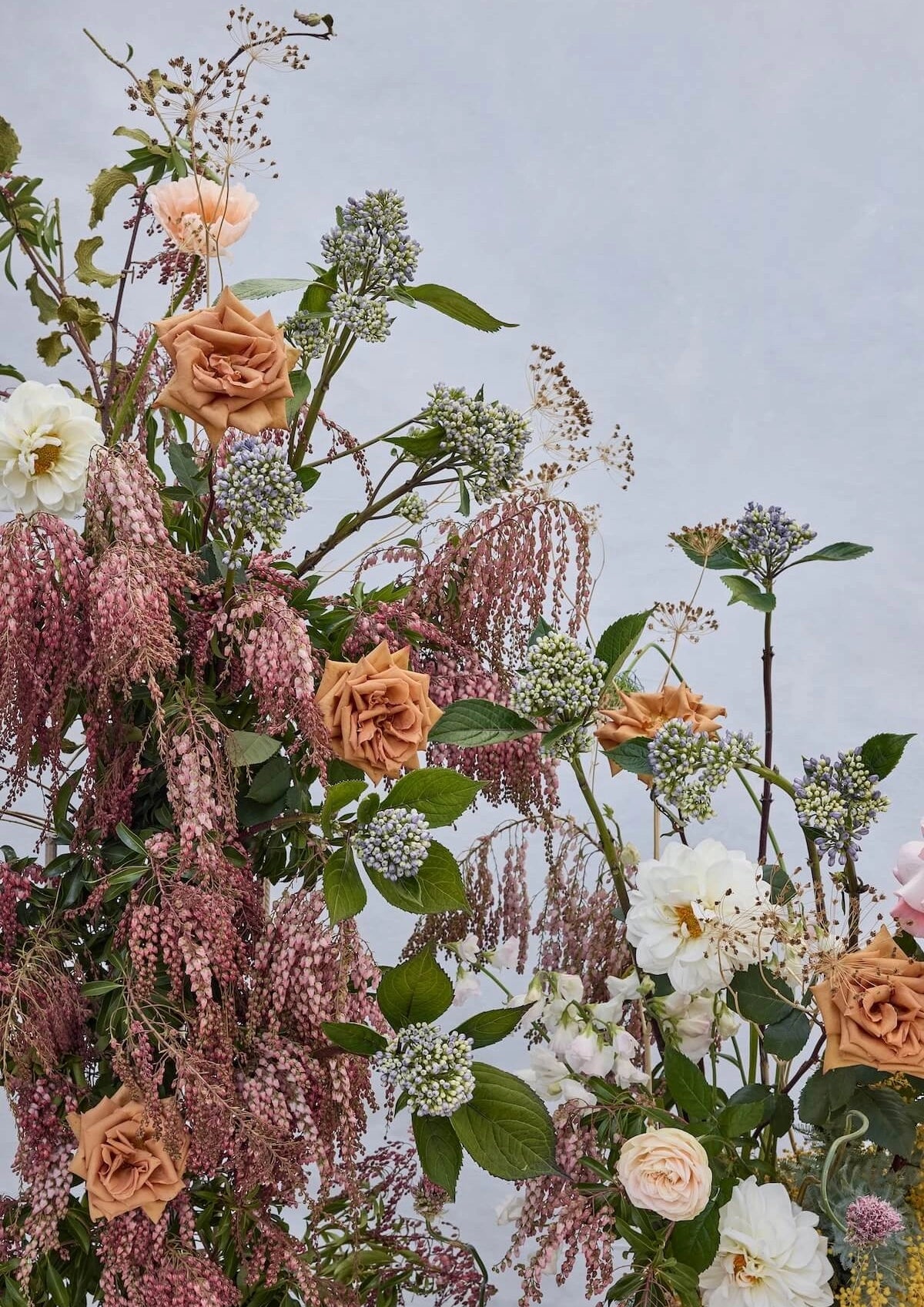
Choosing Art for Dining Spaces
Dining rooms have a unique advantage: people spend longer looking at the walls here than in almost any other room. Here's how to make the most of it:
Match the mood of the room, not just the colours. A formal dining room with dark timber and candlelight suits rich, layered prints — think Dutch masters florals or dark still life. A relaxed, open-plan dining area works better with lighter botanicals or soft coastal tones. The art should feel like it belongs at the table.
Think about what's at eye level. When seated, the natural sightline is lower than when standing. Hang dining room art so the centre of the print sits roughly at seated eye height (around 120–130cm from the floor) rather than standing eye height.
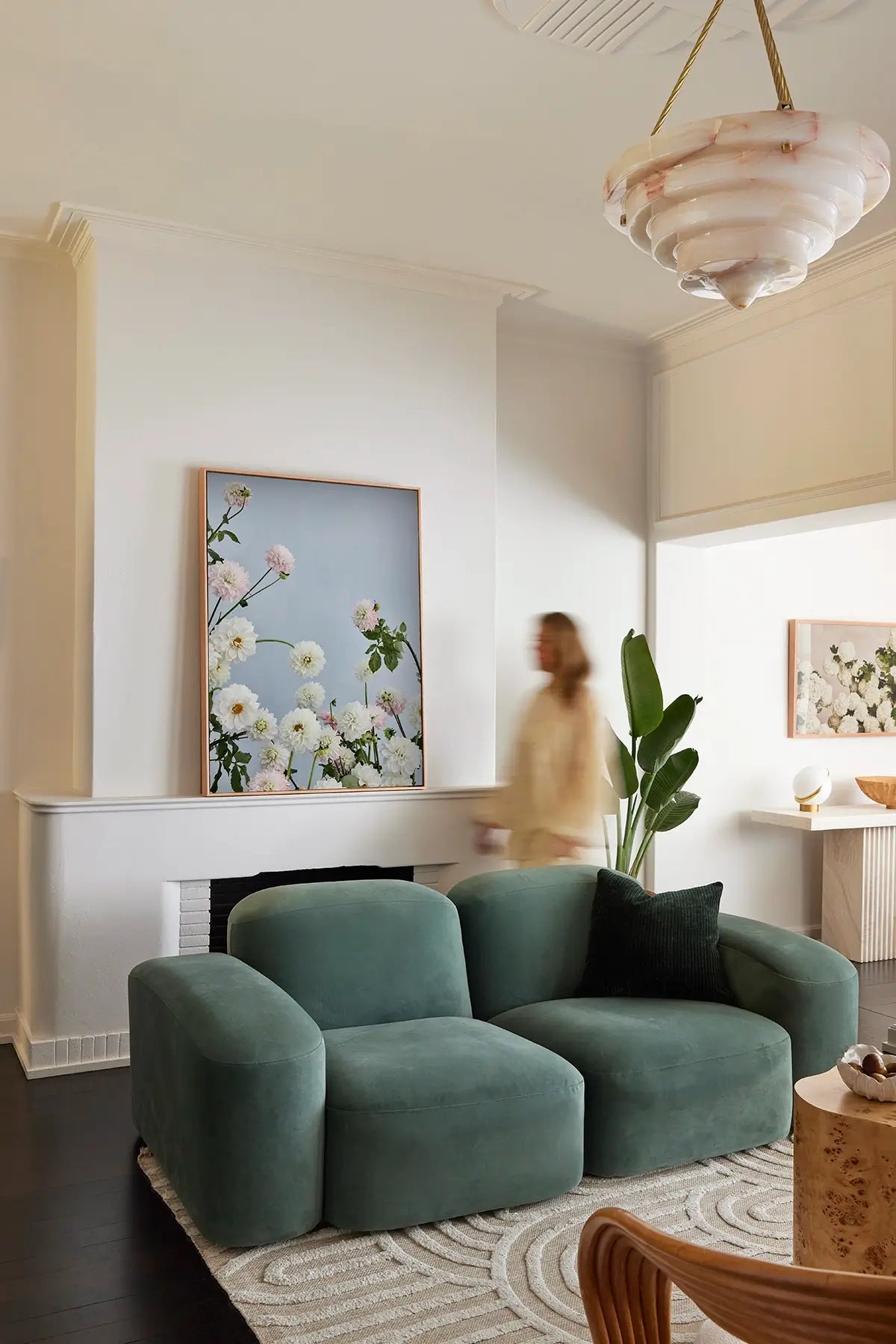
Go larger than you think. Dining walls tend to be uninterrupted by furniture, which means art has room to breathe. A single A1 or A0 print above a sideboard or buffet can anchor the whole room. Our gallery wall sets offer curated combinations if you prefer a grouped approach. Explore living room wall art, bedroom art, and hallway art for coordinated looks across your home.
Use our view-in-room AR tool to test in your dining room before committing →
Shop by Subject
These collections include prints particularly well suited to dining spaces:

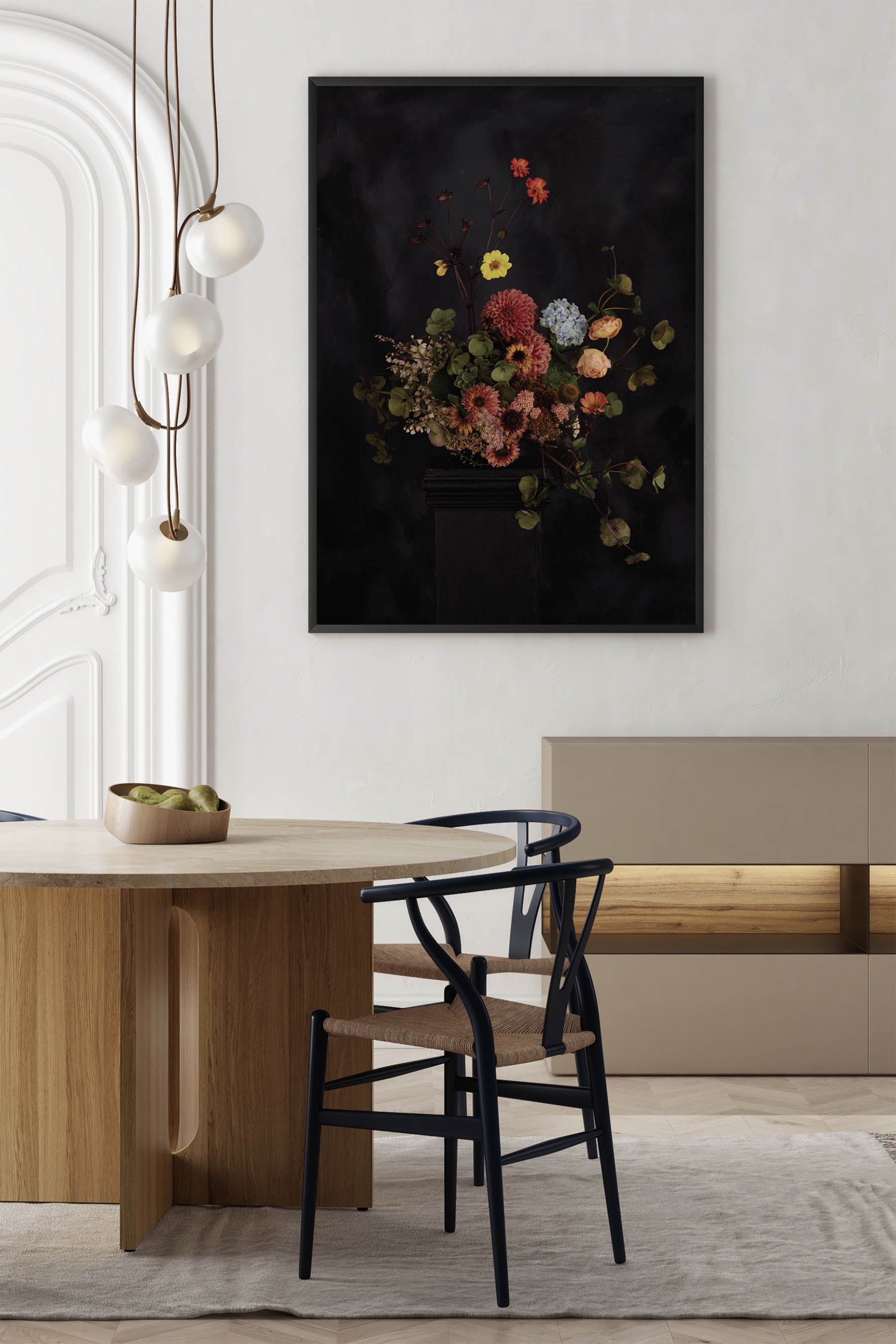


Modern Dining Room Art — What Makes It Work
Modern dining room art doesn't mean minimalist or stark. It means art that fits the way people actually live and entertain now — open-plan kitchens that flow into dining areas, casual Friday-night gatherings as much as formal dinner parties.
What tends to work in contemporary dining spaces?
Muted, sophisticated palettes.
Warm neutrals, deep greens, dusty pinks, and rich earth tones feel current without dating quickly. These sit well with both natural timber tables and modern settings.
Photographic depth with a painterly quality.
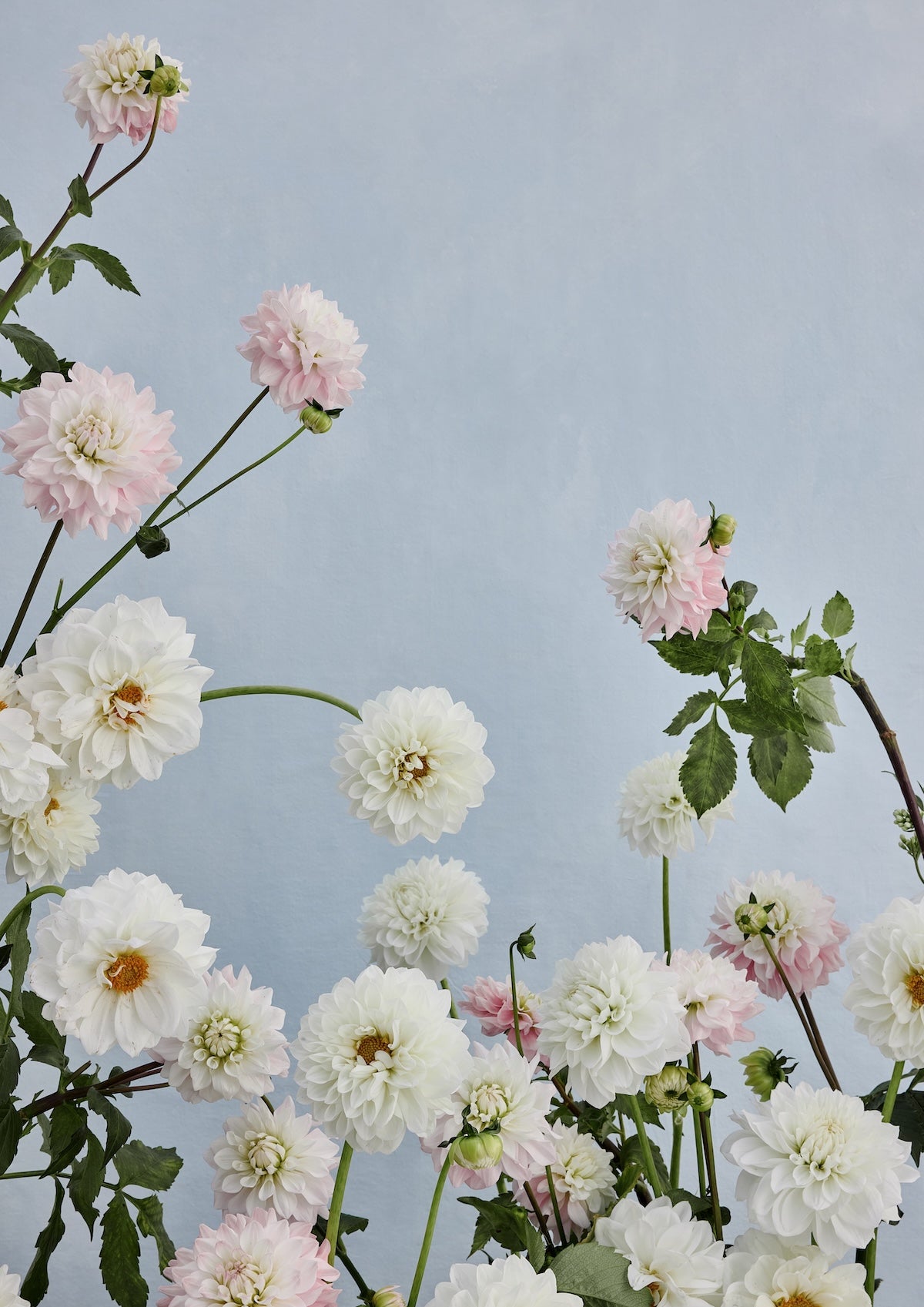
Our compositions blend painting, installed flowers and photography with layers of texture and atmosphere that give each piece the richness of a painting. Modern dining room art with substance — detailed for close viewing and atmospheric to set a mood.
Oversized single prints over cluttered arrangements.
The trend in dining rooms has moved away from gallery walls toward one strong, generous print, which lets the art breathe.
Browse our Australian art prints for locally-created pieces that bring authentic Australian character to your dining space.
Canvas vs Cotton Rag for Dining Rooms
Canvas with its satin texture suits contemporary dining rooms and open-plan spaces. Canvas pieces can be framed by us and arrive ready to hang with no glass, or unframed if you'd like custom framing.
Cotton rag can be framed by us with a quality frame, for a more formal dining rooms. The smooth, matte finish and clean framing create a gallery effect that elevates the space. Or you may purchased unframed, for your own custom framing approach.
Compare formats in detail →
Frequently Asked Questions
Still life and florals are the natural choices — subjects like fruit, flowers, and gathered objects connect to the purpose of the room. Still life prints are a natural fit for dining room walls, offering compositions that enhance the dining experience. For a modern feel, look for prints with muted palettes and photographic depth rather than bright or graphic styles. Our still life and Dutch masters collections are among the most popular for dining spaces.
Dining rooms can handle generous sizing. A single A1 (59×84cm) or A0 (84×119cm) print above a sideboard or on a feature wall is the most popular format. For a narrower wall, A2 works well. Use our view-in-room AR tool to preview scale before ordering.
If your kitchen and dining areas share an open-plan space, choosing prints from the same collection or in complementary tones helps create visual flow. They don't need to match exactly. Browse our kitchen art collection for pieces that pair well.
Lower than you'd think. In a dining room, people spend most of their time seated, so hang the centre of the print at roughly 120–130cm from the floor (about seated eye height) rather than the standard 150cm standing rule.
Modern dining room art typically features sophisticated but not minimal compositions — rich still life, layered florals, and photographic work with painterly depth in muted, earthy, or warm-neutral palettes. It suits the way people live now: relaxed gathering spaces rather than formal dining rooms. Austin Bloom's prints fit this brief — photographic clarity with the richness of traditional fine art.